

Whiplash Injury: Symptoms, Diagnosis & Treatment Options
A whiplash injury is one of the most common neck injuries associated with motor vehicle accidents. Although it is often considered a minor soft-tissue injury, whiplash can lead to long-term pain, reduced neck mobility, and chronic headaches if it is not properly diagnosed and treated.
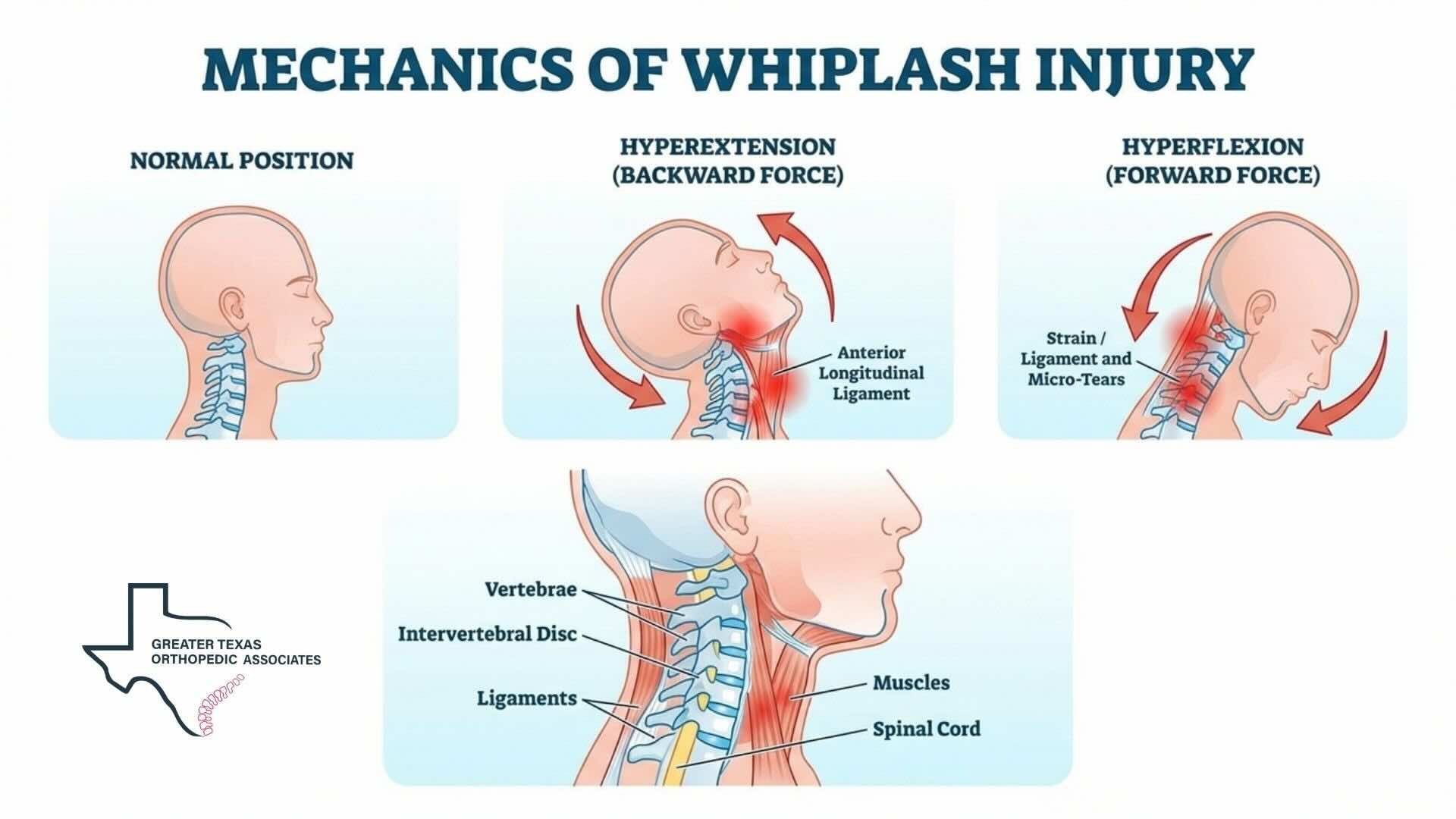
Medical experts define whiplash as a sudden back-and-forth movement of the neck that creates a whip-like motion. This rapid movement places intense strain on the muscles, ligaments, and connective tissues that stabilize the cervical spine.
According to the National Institute of Neurological Disorders and Stroke (NINDS), whiplash injuries frequently occur during rear-end collisions when the body is pushed forward while the head briefly lags behind. This sudden motion stretches the soft tissues surrounding the cervical vertebrae and can sometimes cause small tears in muscles and ligaments.
Motor vehicle accidents remain one of the leading causes of traumatic injuries in the United States. The Centers for Disease Control and Prevention (CDC) reports that millions of Americans seek medical attention each year following car crashes, and neck injuries are among the most commonly reported conditions.
Understanding whiplash injury symptoms, obtaining a correct whiplash trauma diagnosis, and learning about available whiplash injury treatment options can significantly improve recovery and reduce the risk of long-term complications.
Patients who have experienced accident-related injuries can also explore additional educational resources about spine injuries and treatment options at: https://greatertxortho.com/lumbar-disc-causes-symptoms-treatment/
What Is a Whiplash Injury?
A whiplash trauma affects the cervical spine, the upper portion of the spine responsible for supporting the head and allowing neck movement. The cervical spine includes seven vertebrae connected by discs, ligaments, muscles, and nerves that provide flexibility and structural support.
During a whiplash event, the neck experiences rapid acceleration followed by sudden deceleration. This movement can stretch soft tissues beyond their normal limits and cause microscopic injuries to the muscles and ligaments.
The American Academy of Orthopedic Surgeons (AAOS) explains that most whiplash injuries involve soft tissues rather than fractures. However, damage to these tissues can still produce significant pain and reduced mobility.
In more severe cases, trauma may also affect spinal discs or nearby nerve roots. When this occurs, patients may experience radiating pain, numbness, or weakness in the arms.
Because the cervical spine protects the spinal cord and supports the weight of the head, injuries in this region require careful medical evaluation and proper treatment.
Common Causes of Whiplash Injuries
Whiplash injuries can occur when the neck is suddenly forced to move or absorb a strong impact.
The most common causes include:
- Rear-end car accidents
- Contact sports collisions
- Falls or sudden blows to the head and neck
Rear-end motor vehicle collisions account for a significant number of whiplash injuries reported in clinical settings around the world. Even relatively low speed collisions can generate enough force to strain the muscles and ligaments that support the neck.
Athletes who participate in sports such as football, hockey, and wrestling may also experience whiplash due to sudden physical contact.
Falls or sudden impacts can produce similar acceleration forces on the cervical spine, potentially stretching muscles and ligaments beyond their normal range of motion. When the head suddenly changes direction, the cervical spine absorbs much of the shock.
Whiplash Injury Symptoms
The severity of whiplash trauma symptoms varies depending on the level of trauma and the individual’s physical condition. Some patients experience immediate discomfort, while others notice symptoms hours or even days after the accident.
Neck pain and stiffness are the most commonly reported symptoms. Many patients find it difficult to turn their heads or maintain normal posture due to muscle tightness and inflammation.
Headaches are another frequent symptom. These headaches typically begin near the base of the skull and may extend toward the forehead.
Other possible symptoms include dizziness, fatigue, and shoulder pain. In certain cases, individuals experience numbness or tingling sensations in the arms, which may indicate irritation of cervical nerves.
Researchers from the National Institutes of Health (NIH) note that early recognition of these symptoms allows physicians to perform timely diagnosis and begin appropriate treatment sooner.
Why Symptoms May Appear Days After an Accident
One of the most confusing aspects of whiplash injuries is the delayed appearance of symptoms. Many accident victims initially feel normal but begin experiencing neck pain several days later.
This delay happens because the body releases adrenaline and other stress hormones during a traumatic event. These hormones temporarily suppress pain signals and may mask the early symptoms of injury.
As the body returns to its normal state, inflammation begins to develop in injured tissues. Swelling and muscle spasms may gradually increase discomfort in the neck and shoulders.
Delayed symptoms may include worsening stiffness, headaches, and reduced neck mobility. Because of this delayed response, medical professionals recommend evaluation after any accident involving sudden neck movement.
Early diagnosis helps physicians identify underlying injuries before they develop into long-term complications.
How Doctors Diagnose a whiplash-associated disorder
An accurate whiplash injury diagnosis begins with a detailed medical examination. Physicians review the circumstances of the accident and ask patients when symptoms first appeared.
During the evaluation, doctors assess neck movement, muscle tenderness, and neurological function. They also examine posture and spinal alignment to determine whether the cervical spine has been affected.
Physical Examination
The physical exam helps physicians identify common indicators of whiplash injuries, such as reduced neck mobility or localized muscle tenderness.
Doctors typically evaluate:
- Range of motion in the cervical spine
- Muscle spasms or tenderness
- Signs of nerve irritation such as numbness
These findings help determine whether additional testing is necessary.
Imaging Tests
Imaging studies are often used to rule out more serious injuries. X-rays may be performed to check for fractures or spinal instability. If deeper tissue damage is suspected, physicians may order CT scans or MRI imaging. MRI scans are particularly helpful because they reveal soft tissue structures such as discs, ligaments, and nerves.
According to the American Academy of Orthopedic Surgeons, advanced imaging is recommended when patients experience severe pain or neurological symptoms after trauma.
Patients experiencing ongoing neck pain after an accident may benefit from evaluation by orthopedic specialists who focus on diagnosing and treating spine and musculoskeletal injuries.
Whiplash Injury Treatment Options
Treatment for a whiplash-associated disorder usually focuses on relieving pain while gradually restoring normal neck movement. Most patients recover successfully through conservative treatment methods.
Common whiplash-associated disorder treatment options include:
- Anti-inflammatory medications that reduce swelling and pain
- Physical therapy exercises that restore flexibility and strength
- Rehabilitation programs designed to support long-term recovery
Conservative Treatment
Early treatment often includes rest, ice therapy, and anti-inflammatory medications. These methods help reduce inflammation and relieve discomfort during the early stages of recovery.
Physical Therapy
Physical therapy is one of the most effective treatments for whiplash injuries. Therapists guide patients through stretching and strengthening exercises that improve posture and support spinal stability.
Advanced Pain Management
In certain cases, physicians may recommend specialized treatments such as trigger point injections or nerve-targeted therapies. These procedures can help relieve persistent pain and improve mobility.
Recovery Timeline for Whiplash Injuries
Recovery time varies depending on the severity of the injury and the patient’s overall health. Many individuals begin to feel improvement within several weeks.
Research published in the National Library of Medicine indicates that most patients recover within six to twelve weeks following a whiplash injury.
Several factors influence how quickly a person recovers, including the severity of tissue damage, the patient’s age, and the presence of pre-existing spinal conditions.
Patients who participate in structured rehabilitation programs often recover more quickly and regain normal neck mobility sooner.
When to Seek Medical Care
While mild neck soreness may improve with time, certain symptoms require professional medical attention.
Individuals should seek medical care if they experience severe neck pain, persistent headaches, numbness in the arms, or difficulty moving the neck after an accident.
Early medical evaluation allows physicians to identify injuries quickly, begin appropriate treatment, and prevent minor conditions from developing into chronic spinal problems.

Preventing Long-Term Neck Complications
Although accidents cannot always be avoided, several preventive steps can reduce the risk of serious neck injuries.
Proper headrest positioning in vehicles plays an important role in protecting the neck during collisions. Headrests should support the middle of the head to reduce excessive backward movement.
Keeping the neck and upper back muscles strong can also help the body absorb sudden forces more effectively. Regular exercise and good posture can help protect the cervical spine.
Drivers should also maintain safe following distances and remain attentive to road conditions in order to reduce the likelihood of sudden rear-end collisions.
Conclusion
A whiplash injury is more than a temporary neck strain. Damage to the soft tissues of the cervical spine can lead to persistent pain and mobility limitations if it is not properly diagnosed and treated.
Recognizing early whiplash trauma symptoms, obtaining an accurate whiplash injury diagnosis, and exploring effective whiplash injury treatment options are essential for protecting long-term spinal health.
Modern orthopedic care focuses on early intervention, structured rehabilitation, and personalized pain management strategies that help patients recover safely and regain normal mobility.
Anyone experiencing neck pain after a car accident should seek professional medical evaluation to ensure proper treatment and prevent long-term complications.