
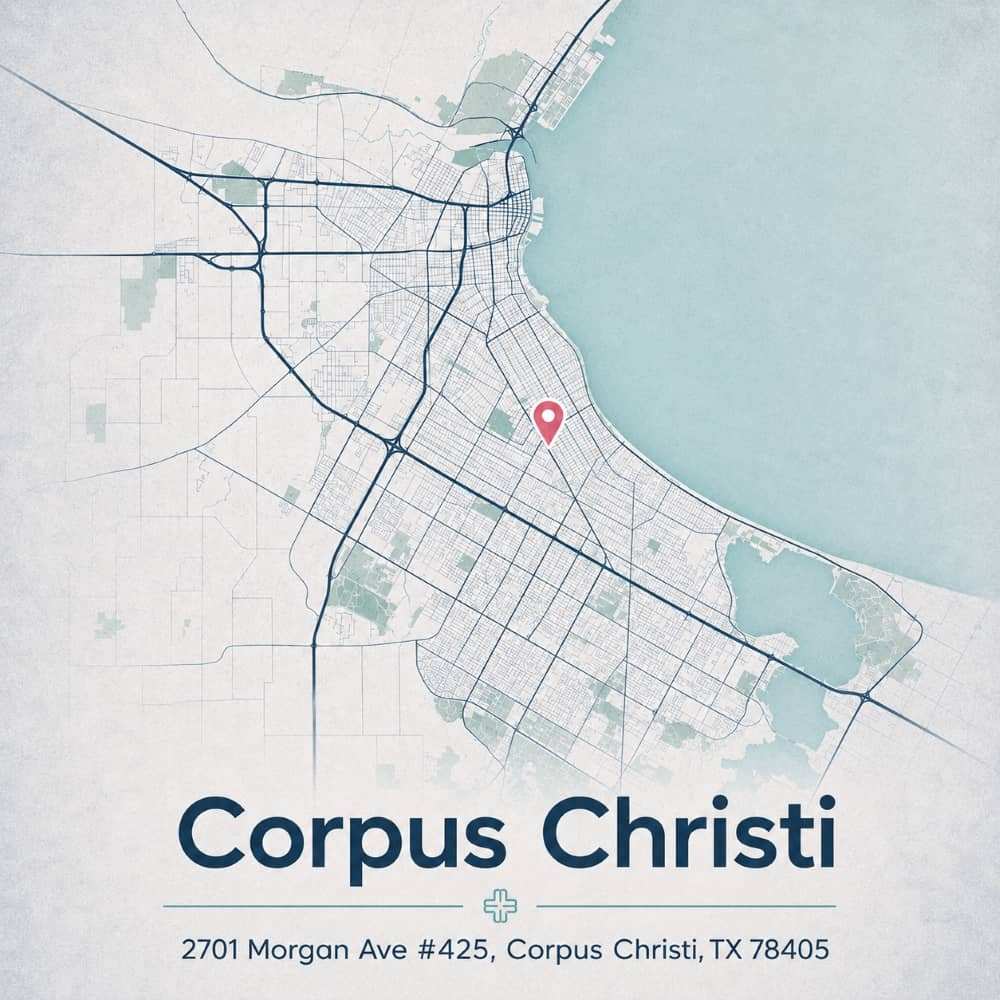
Corpus Christi
2701 Morgan Ave #425, Corpus Christi, TX 78405

Image-guided, non-surgical treatment for neck, back, joint, and nerve pain after a car accident, work injury, or years of wear, with documentation for the attorneys who represent injured patients.
Patients and the attorneys who represent them start from different places. The same team supports both.
Personal injury firms seeking coordinated scheduling, clinically grounded documentation, and a clear point of contact for clients who may need interventional pain care.
Drivers, passengers, injured workers, and anyone living with long-standing spine or joint pain, treated the same way whether you arrive through an attorney, an insurer, or on your own.
If your pain follows a car accident, a workplace injury, or years of wear, it likely appears on this list.
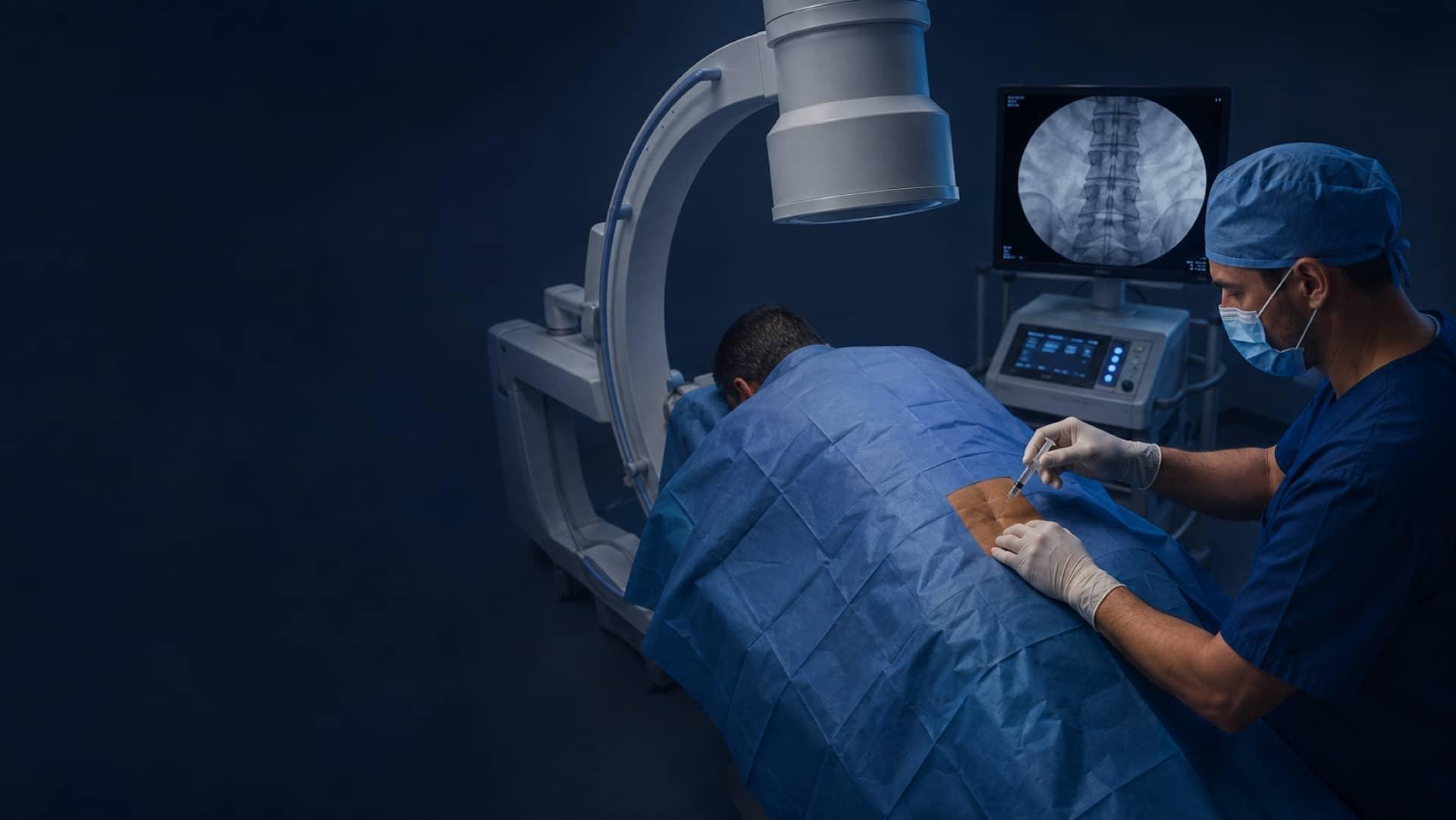
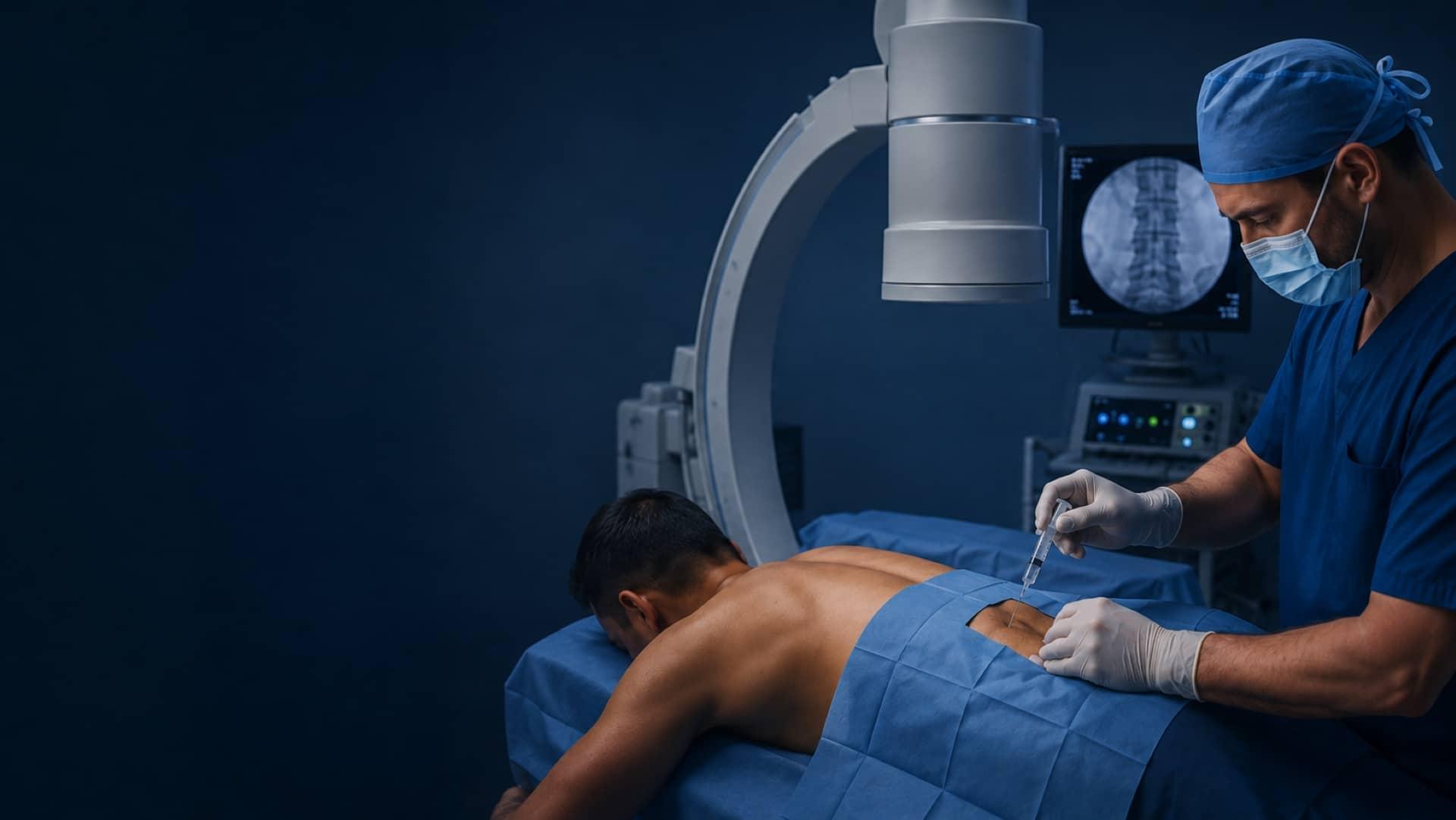
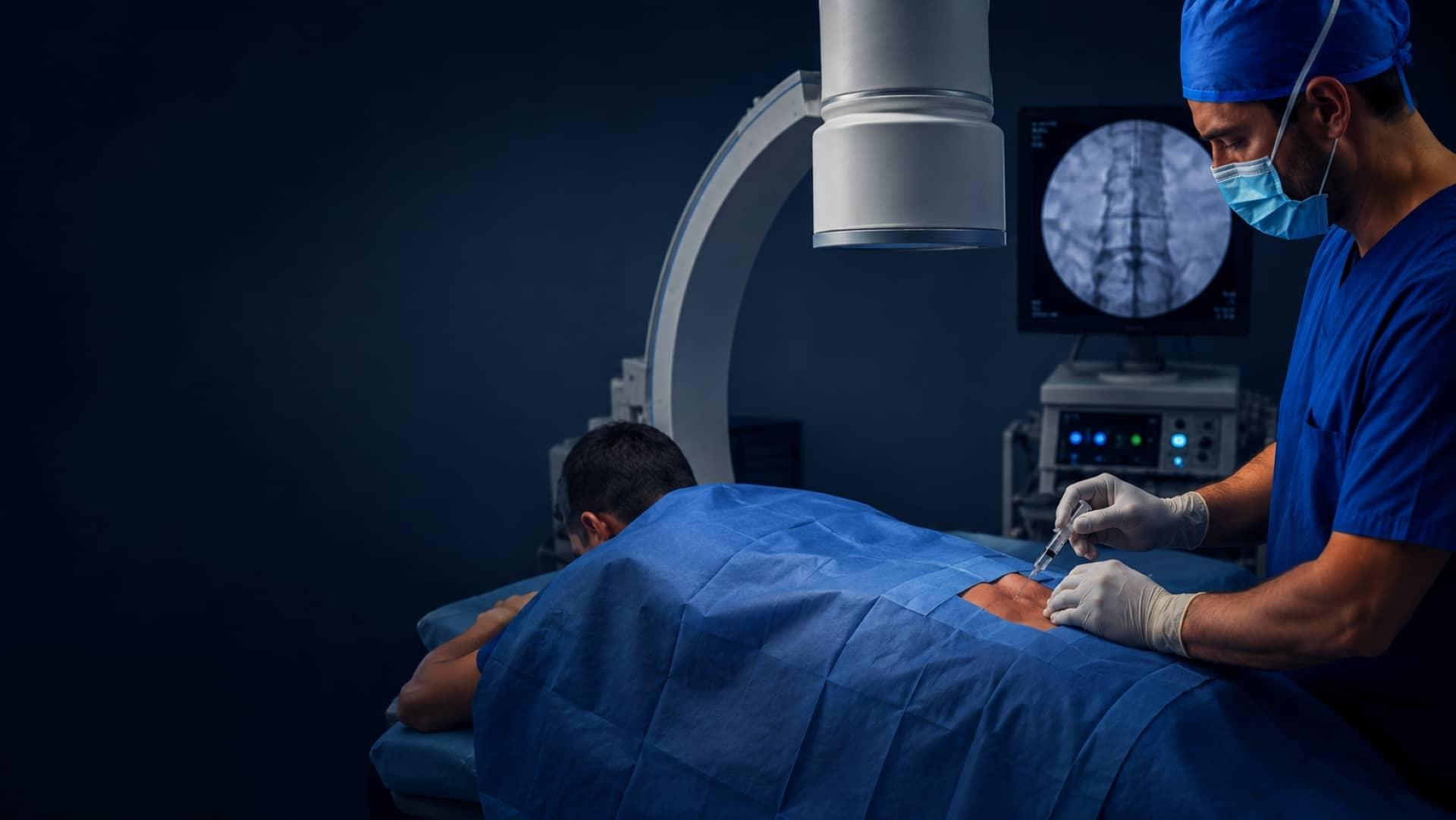
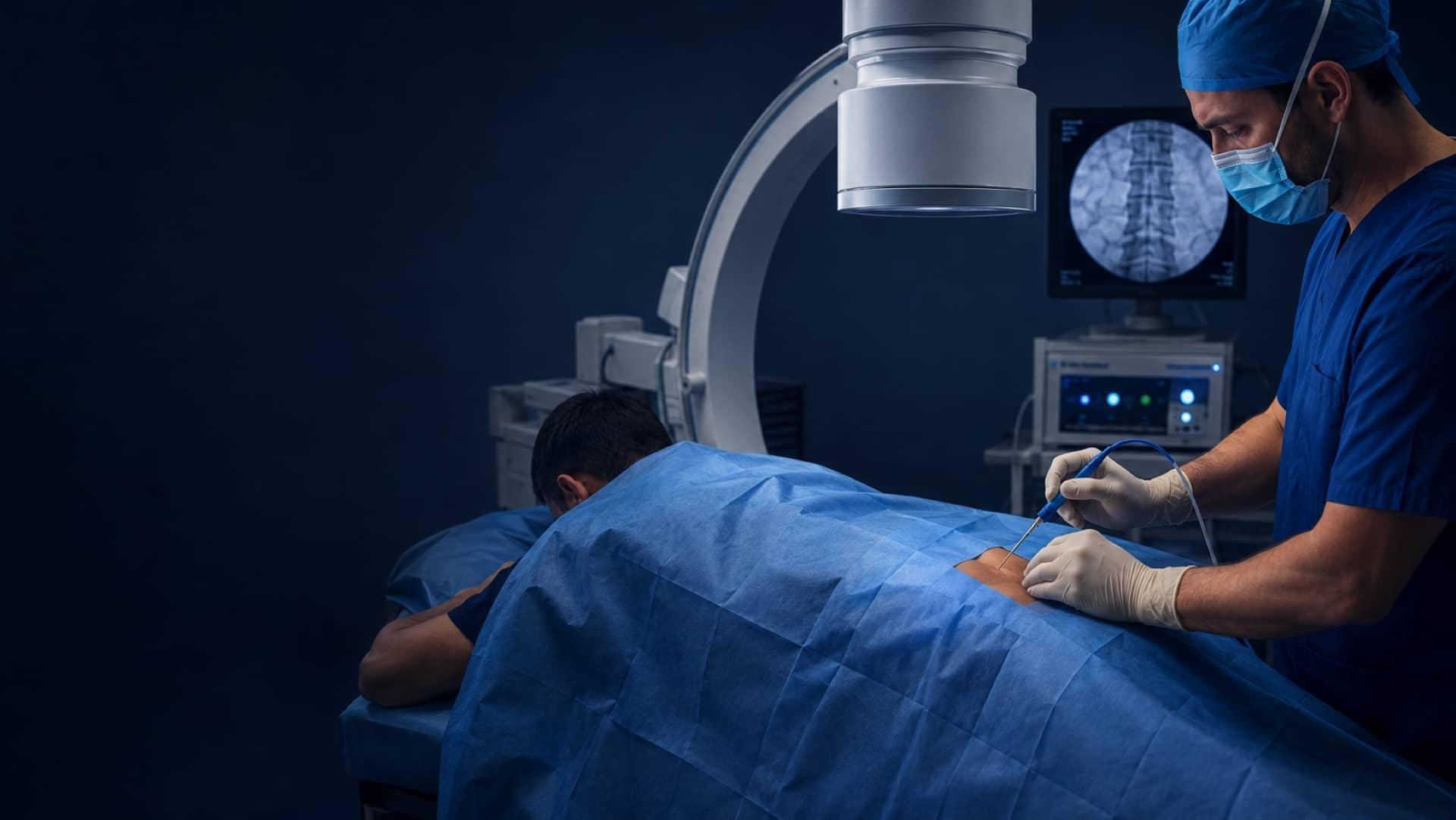
Four image-guided procedures, chosen based on where your pain actually originates.
A four-stage care pathway that adapts to the patient's diagnosis, clinical needs, and referral context.
A specialist reviews your history, mechanism of injury, and imaging, then examines you to narrow down which structure is generating the pain.
Where the source is unclear, a level-specific diagnostic block can help identify which structure is contributing to the pain.
The clinician recommends an appropriate non-surgical or minimally invasive option based on the diagnosis, examination, imaging, and prior care.
Follow-up measures what changed in pain scores, range of motion, and function, and the plan is adjusted accordingly.
What an evaluation, procedure visit, and follow-up plan may include. Your clinician will explain the details for your care.
The clinician reviews symptoms, injury history, prior care, and available imaging before discussing appropriate next steps.
Check-in, treatment, and observation requirements vary by procedure and the patient's clinical needs.
The care team explains positioning, medication, transportation, and preparation instructions before treatment.
Reassessment timing depends on the procedure, response to treatment, and the clinician's care plan.
Relief from a procedure is only part of recovery. Follow-up visits measure pain, range of motion, and function, and the plan is adjusted to what actually changed.
Instructions before and after treatment
The care team explains preparation, positioning, transportation, and what to expect after the procedure.
Reassessment at follow-up
Pain scores, range of motion, and function are measured again, and the plan is adjusted to your response.
Work restrictions in writing
Documented work and activity restrictions when clinically appropriate, for your employer, insurer, or attorney.
Referral when another specialty is needed
If the findings call for physical therapy or another specialty, the clinician explains the referral.
Five steps from referral intake through evaluation and case communication, with timing confirmed for each client.
Submit the referral form on the For Attorneys page, or call or email the team, with the client's name, your contact details, and the signed LOP if one applies.
The referral team reviews the request and identifies any records, case details, or authorization information needed before scheduling.
The team follows up with your office to arrange the evaluation and confirms current availability based on location and clinical need.
The client is evaluated by a specialist, imaging is reviewed or ordered, and a documented treatment plan is created.
The legal team can request available clinical records and contact GTOA for status information at relevant stages of care.
The types of clinical documentation that may be available and how to request case information.
History, mechanism of injury, examination findings, diagnosis, and the proposed treatment plan.
MRI, CT, and X-ray findings tied explicitly to the client's reported symptoms and physical examination.
When clinically appropriate, documentation may discuss how the reported incident, findings, and pre-existing conditions relate.
Fluoroscopic confirmation, level treated, medication used, and documented pre- and post-procedure pain scores.
The clinician may document additional evaluation, treatment, or follow-up that should be considered.
Scheduling and records timing depend on location, clinical need, record availability, and clinician review. The team confirms the next step for each request.
What sets this department apart for patients and referring firms alike.
Symptoms, examination findings, available imaging, and diagnostic response are considered before treatment is recommended.
Appropriate procedures use imaging guidance to help the clinician target the intended treatment area.
The department focuses on conservative, interventional, and minimally invasive pain-management pathways.
Records document relevant history, findings, diagnosis, treatment, and response for patients and authorized case stakeholders.
Referring legal teams can contact GTOA about scheduling, status questions, and available records.
Beaumont, Houston, San Antonio, Dallas, Arlington, and Corpus Christi, so care can continue close to home.
Patients can request care through Contact Us, and legal teams can begin a referral through the For Attorneys page.
The physician responsible for the medical review of this page.
Six clinics across Texas. Choose the one closest to you for hours, phone, and directions.
2701 Morgan Ave #425, Corpus Christi, TX 78405
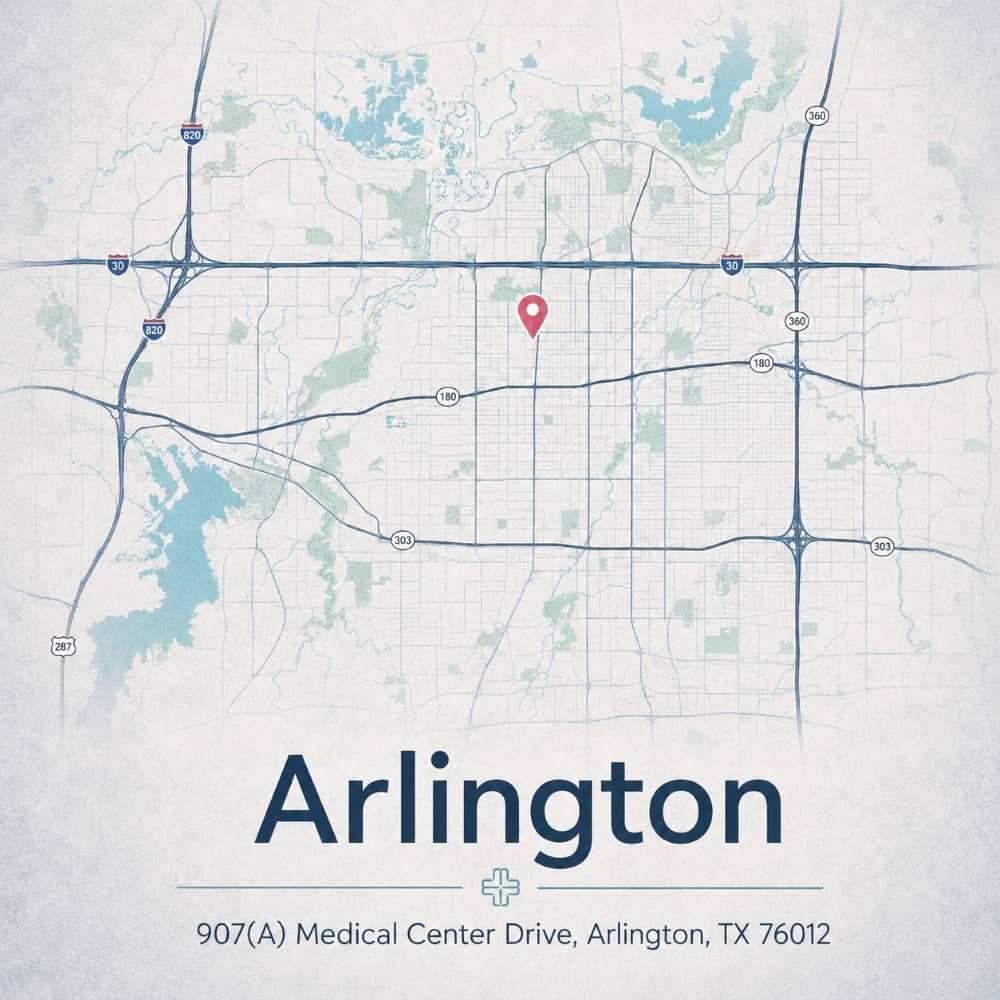
907(A) Medical Center Drive, Arlington, TX 76012

8330 Lyndon B Johnson Fwy, Suite B400, Dallas, TX 75243

7220 Louis Pasteur Drive, Suite 130, San Antonio, TX 78229
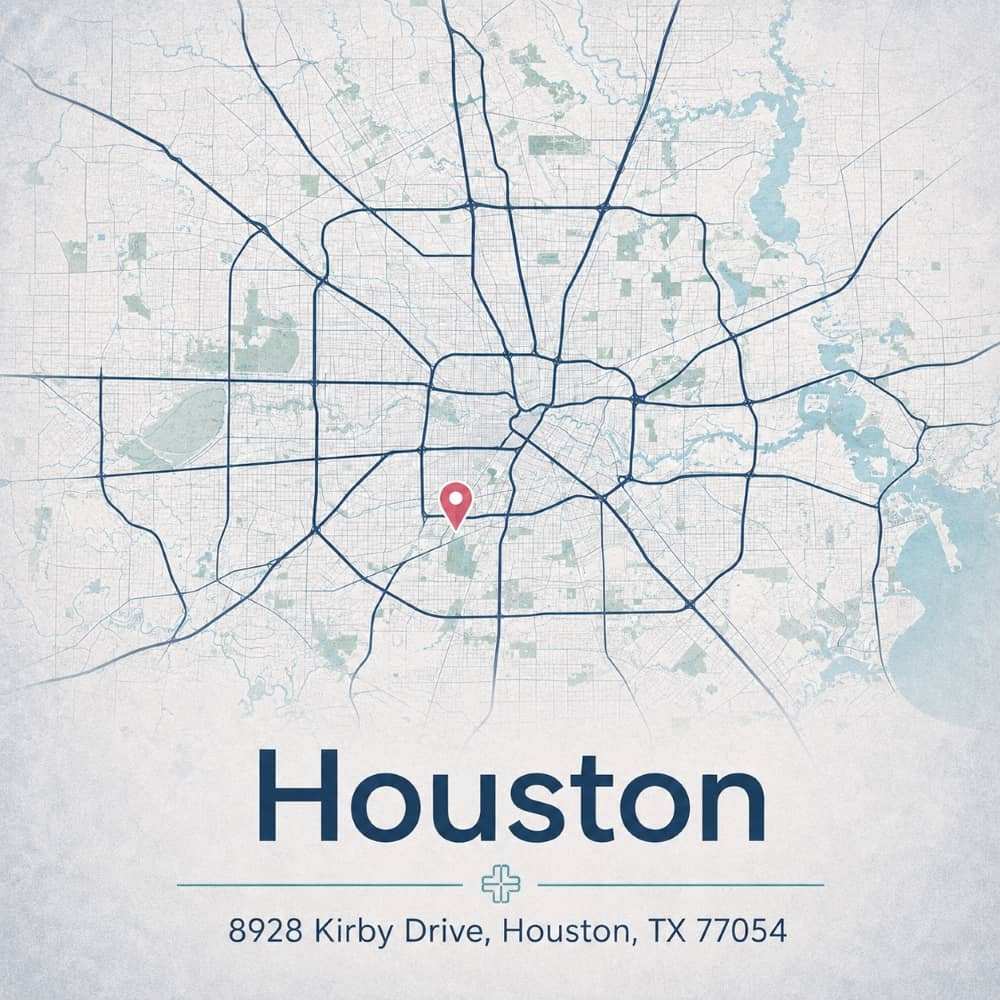
8928 Kirby Drive, Houston, TX 77054

324 North 23rd St, Beaumont, TX 77707