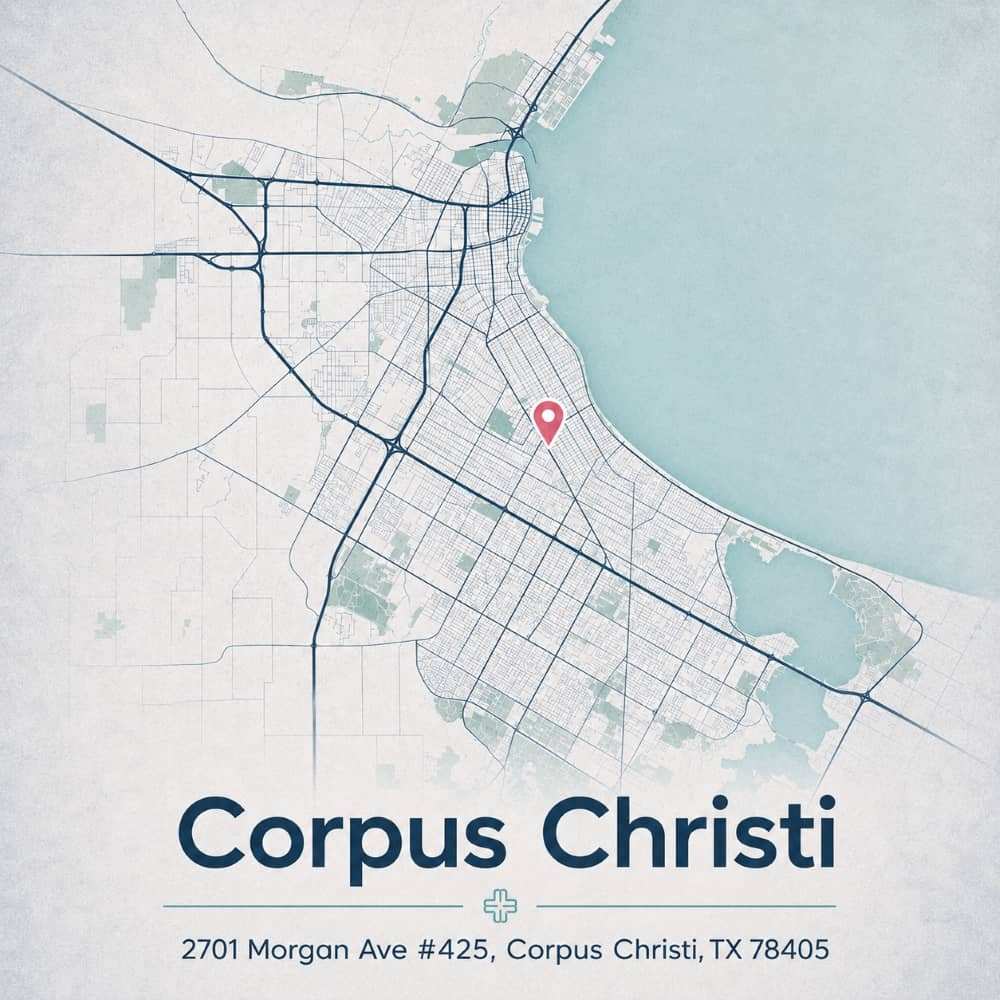
Corpus Christi
2701 Morgan Ave #425, Corpus Christi, TX 78405


A comprehensive musculoskeletal assessment that combines medical history, physical examination, and imaging review to clarify an injury and guide an appropriate treatment plan.
Two audiences read this page: the person who was hurt, and the professional handling their claim. Both need the same evaluation to hold up.
Anyone hurt in a collision, a fall, or on the job who needs to know what is actually wrong before committing to treatment, and who wants it explained in plain language.
Firms that need a clear orthopedic baseline supported by objective examination findings, imaging correlation, and organized medical documentation.
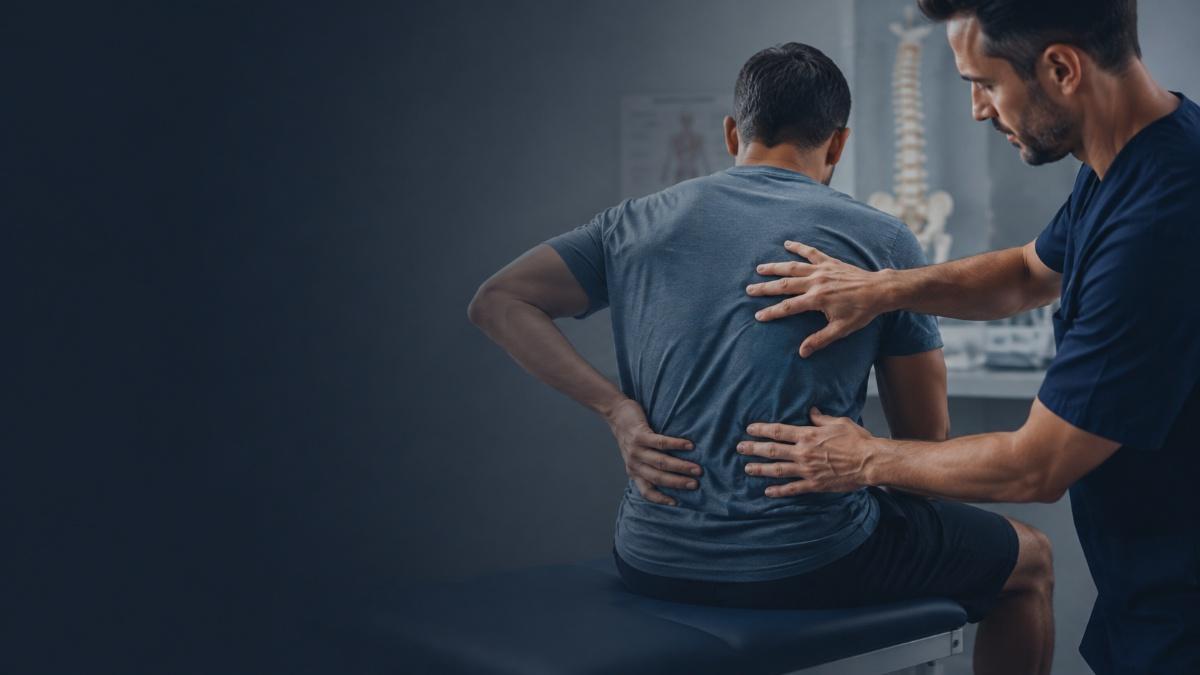
An orthopedic evaluation is a structured assessment of the bones, joints, muscles, ligaments, and nerves. The physician takes a detailed history of how the injury happened, performs a hands-on examination with specific provocative tests, and correlates what is found on the table with what appears on imaging.
The result is a working diagnosis rather than a symptom list: which structure is injured, how severe it is, whether it will heal on its own, and what treatment is reasonable. For injury patients that clarity determines the treatment plan; for a claim it establishes the medical baseline everything else is measured against.

We evaluate the full range of musculoskeletal injury, from the obvious fracture to the persistent pain that imaging alone does not explain.
A structured visit that moves from injury history and examination to findings, recommendations, and next steps.
We document exactly how the injury occurred: direction of impact, position of the body, what was felt immediately versus what developed later. Mechanism drives the differential diagnosis and is the first thing an adjuster looks for.
Range of motion, strength, stability, reflexes, and sensation are measured and recorded numerically. Specific provocative tests isolate the injured structure rather than the general area.
Existing MRI, CT, X-ray, or ultrasound studies are reviewed alongside the examination. Additional testing may be recommended when the available imaging does not answer the clinical question.
The physician explains the findings, the likely diagnosis, and the treatment options that may be appropriate, including conservative, interventional, or surgical care when indicated.
The evaluation documents the history, examination findings, diagnosis, recommendations, and any work or activity restrictions that apply.
What the visit actually looks like on the day, and what follows it.
The visit combines injury history, a focused musculoskeletal examination, and review of the available records.
Bring available films and reports so the clinician can compare imaging with the examination findings.
Recommendations are based on the diagnosis, functional limitations, imaging, and prior treatment.
The clinician will explain whether reassessment, additional testing, or referral to another specialty is appropriate.
An evaluation is only useful if it ends in a decision. Here is what comes out of it.
GTOA coordinates referral intake, scheduling, clinical records, and status communication for patients and legal teams.
History, mechanism of injury, examination findings, diagnosis, and the proposed treatment plan.
MRI, CT, and X-ray findings tied explicitly to your client's reported symptoms and physical examination.
When clinically appropriate, documentation can discuss how the reported incident, objective findings, and pre-existing conditions relate.
Visits and procedures are documented with relevant pain, function, examination, and response information.
The evaluation may identify additional testing, treatment, referral, or follow-up that should be considered.
Timing depends on location, clinical need, record availability, and clinician review. The team can confirm the next step for a specific request.
Coverage and payment arrangements vary. Contact the team before scheduling so eligibility and current options can be confirmed.
Contact GTOA to verify current plan participation, benefits, and any authorization requirements before the visit.
Lien-based arrangements may be available for qualifying personal injury cases. The team confirms eligibility and terms for each referral.
Patients paying directly can contact the office for current pricing and available payment arrangements.
The same six reasons matter to a patient choosing a clinic and to a firm choosing where to send a client.
We identify the actual source with examination and image-guided diagnostics rather than treating the most likely candidate and hoping.
History, physical examination, and available imaging are considered together rather than treating a scan or symptom in isolation.
Non-surgical and minimally invasive options are exhausted before surgery is ever put on the table.
Documentation is prepared knowing an adjuster, opposing counsel, or a jury may read it, not simply filed away.
Patients and referring legal teams can contact GTOA about scheduling, records, and the next step in the evaluation process.
Beaumont, Houston, San Antonio, Dallas, Arlington, and Corpus Christi, so clients are treated close to home and actually attend follow-ups.
Patients can request care through Contact Us, and legal teams can begin a referral through the For Attorneys page.
The physician responsible for the medical review of this page.
Six clinics across Texas. Choose the one closest to you for hours, phone, and directions.
2701 Morgan Ave #425, Corpus Christi, TX 78405
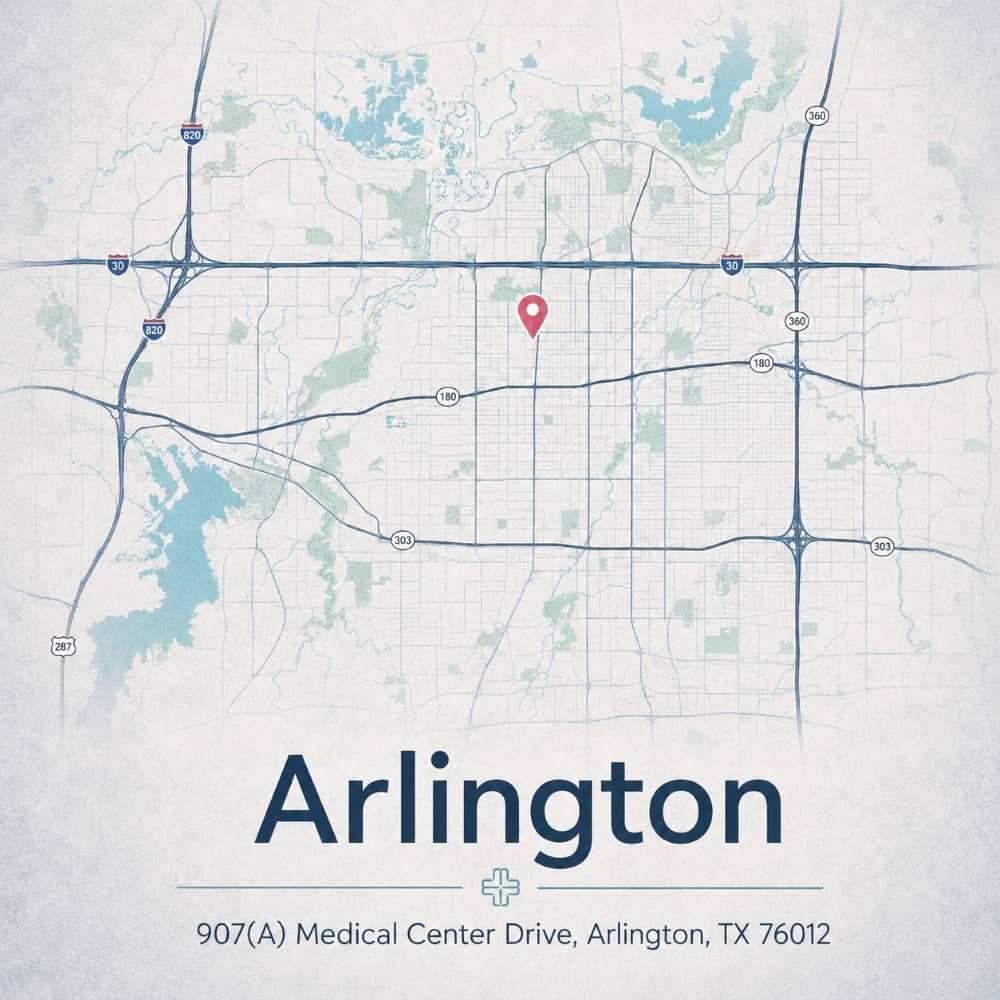
907(A) Medical Center Drive, Arlington, TX 76012

8330 Lyndon B Johnson Fwy, Suite B400, Dallas, TX 75243

7220 Louis Pasteur Drive, Suite 130, San Antonio, TX 78229

8928 Kirby Drive, Houston, TX 77054

324 North 23rd St, Beaumont, TX 77707
Two specialty pathways that may follow an orthopedic evaluation when the findings call for focused pain care or surgical assessment.
Availability varies by location and clinical need. Contact the referral team to confirm current scheduling for a specific client.