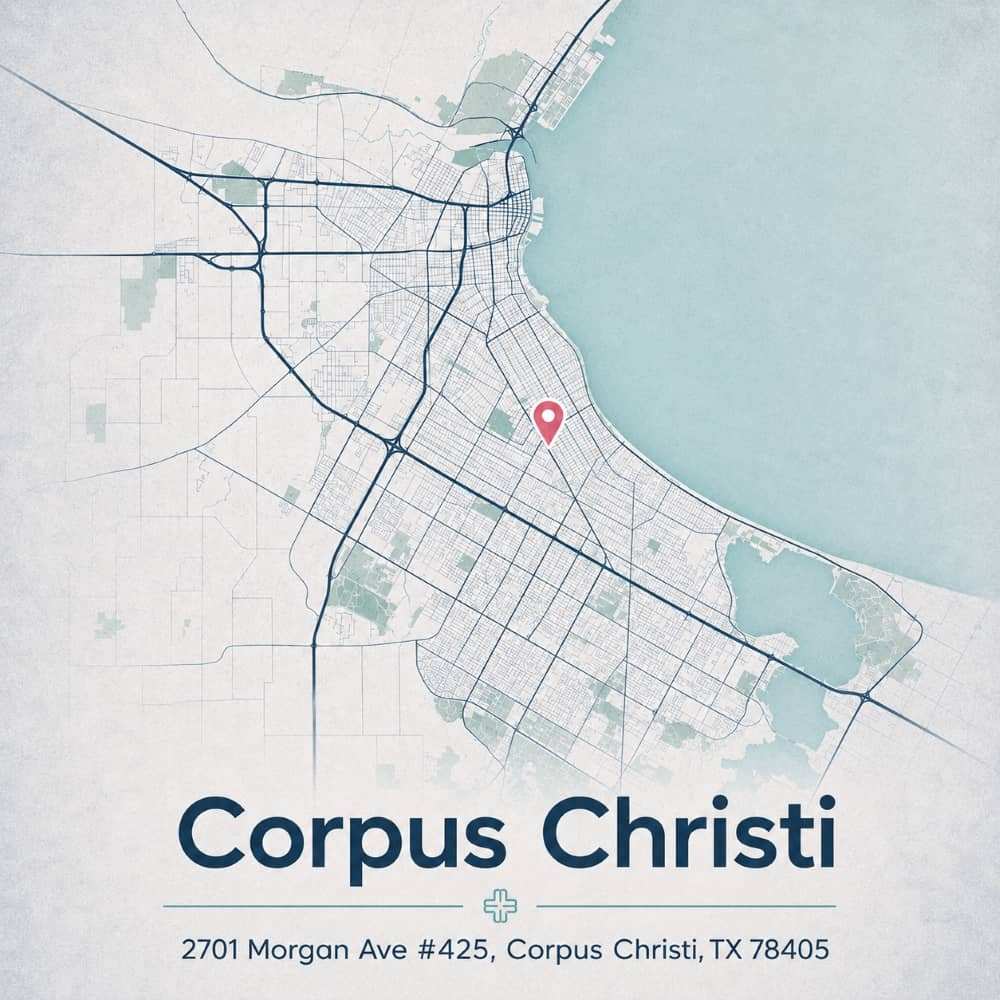
Corpus Christi
2701 Morgan Ave #425, Corpus Christi, TX 78405


Specialist assessment and surgical care for injuries of the spine, spinal cord, and peripheral nerves, with a clear threshold for when an operation is genuinely warranted and when it is not.
Two audiences read this page: the patient weighing an operation, and the professional who has to justify its necessity and cost.
Patients with arm or leg pain, numbness, or weakness that has not improved with conservative care, or whose imaging shows compression of the spinal cord or a nerve root.
Firms with a client whose imaging or neurologic findings may warrant a neurosurgical opinion, supported by clinically grounded documentation and clear recommendations.
Neurosurgery covers the surgical and non-surgical management of the brain, spine, spinal cord, and peripheral nerves. In an injury practice most of that work is spinal: disc herniation, canal or foraminal stenosis, instability after trauma, and compression injuries that produce weakness rather than pain alone.
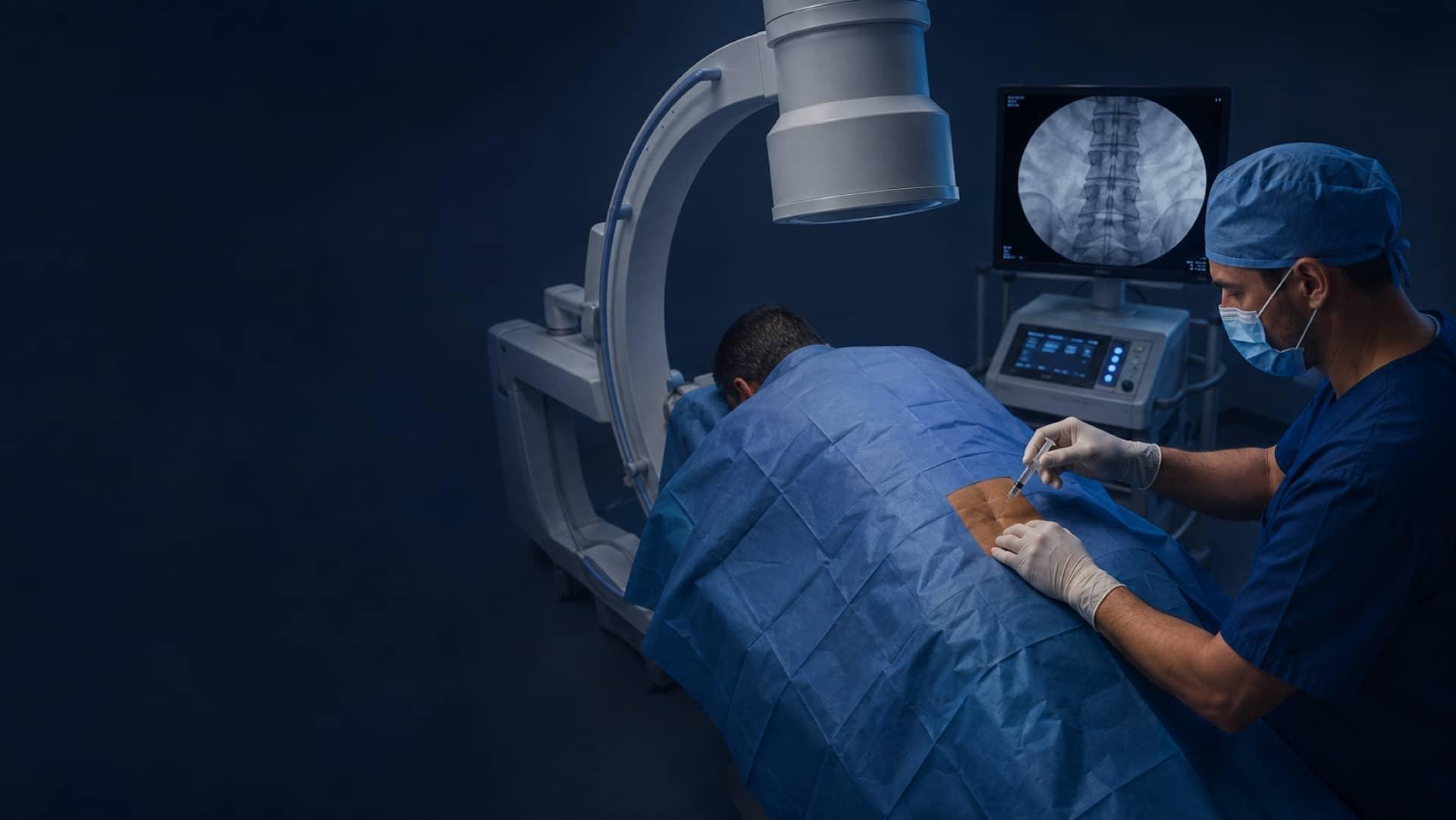
A neurosurgical consultation at GTOA is not a presumption of surgery. It evaluates whether structural compression or instability is present, whether conservative care remains appropriate, and whether a surgical option should be considered.

We evaluate injuries where the nervous system itself is involved, not just pain, but loss of function.
A neurosurgical consultation is largely an exercise in ruling surgery out. Here is how the decision is reached.
When symptoms began, how they have progressed, what treatment has already been tried, and, critically, whether function is stable, improving, or deteriorating.
Motor strength graded by muscle group, sensory mapping, reflexes, gait, and specific tests for cord versus root involvement. Deficits are documented numerically so change can be tracked.
MRI and CT are reviewed slice by slice and matched against the examination. Imaging findings that do not correspond to a patient's symptoms are not treated as surgical targets.
The surgeon explains whether an operation is indicated, what it may and may not address, and whether continued conservative care or monitoring is appropriate.
If surgery is indicated, the proposed procedure, setting, risks, and recovery considerations are explained. If not, the clinician documents the recommended non-surgical or follow-up pathway.
The practical shape of neurosurgical care, from consultation through recovery.
The visit may include a neurological examination, imaging review, and discussion of appropriate treatment options.
A consultation determines whether observation, conservative care, additional testing, or surgery should be considered.
The setting, preparation, risks, and expected hospital course depend on the recommended procedure and patient needs.
Activity, follow-up, therapy, and return-to-work guidance are individualized after the treatment plan is confirmed.
What treatment involves, how recovery is managed, and how progress is verified.
GTOA coordinates referral intake, scheduling, available records, and status communication for patients and authorized legal teams.
History, mechanism of injury, examination findings, diagnosis, and the proposed treatment plan.
MRI, CT, and X-ray findings tied explicitly to your client's reported symptoms and physical examination.
When clinically appropriate, documentation may discuss how the reported incident, findings, and pre-existing conditions relate.
Visits and procedures are documented with relevant symptoms, examination findings, treatment, and response information.
The clinician may document additional evaluation, treatment, surgery, or follow-up that should be considered.
Scheduling and records timing depend on location, clinical need, record availability, and clinician review. The team confirms the next step for each request.
Coverage and payment arrangements vary. Contact the team before scheduling so eligibility and current options can be confirmed.
Contact GTOA to verify current plan participation, benefits, and any authorization requirements before the visit.
Lien-based arrangements may be available for qualifying personal injury cases. The team confirms eligibility and terms for each referral.
Patients paying directly can contact the office for current pricing and available payment arrangements.
The same six reasons matter to a patient choosing a clinic and to a firm choosing where to send a client.
Symptoms, neurological findings, available imaging, and prior care are considered before treatment is recommended.
MRI, CT, and other available studies are interpreted alongside the patient's examination and functional symptoms.
Non-surgical and minimally invasive pathways are considered before surgery when clinically appropriate.
Records document relevant history, findings, diagnosis, recommendations, treatment, and response.
Referring legal teams can contact GTOA about scheduling, status questions, and available records.
Beaumont, Houston, San Antonio, Dallas, Arlington, and Corpus Christi provide access to GTOA care across Texas.
Patients can request care through Contact Us, and legal teams can begin a referral through the For Attorneys page.
The physician responsible for the medical review of this page.
Six clinics across Texas. Choose the one closest to you for hours, phone, and directions.
2701 Morgan Ave #425, Corpus Christi, TX 78405
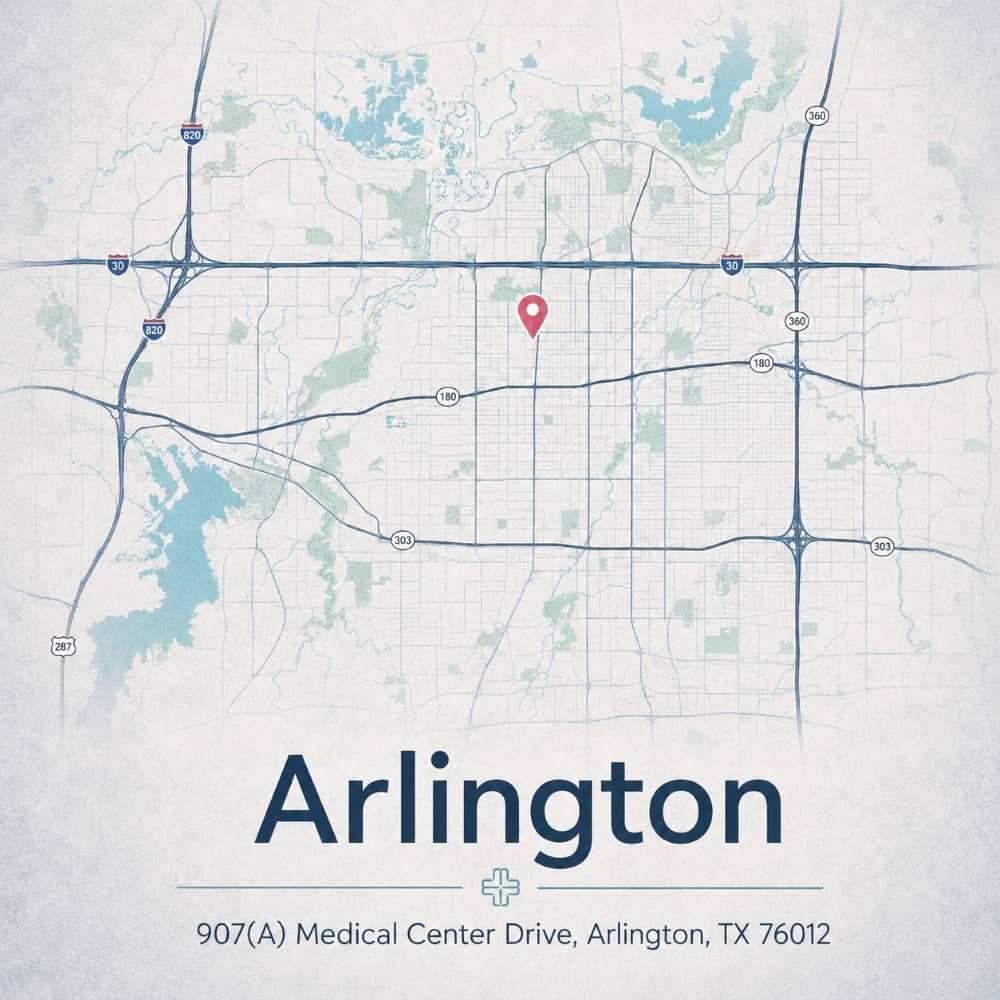
907(A) Medical Center Drive, Arlington, TX 76012

8330 Lyndon B Johnson Fwy, Suite B400, Dallas, TX 75243

7220 Louis Pasteur Drive, Suite 130, San Antonio, TX 78229

8928 Kirby Drive, Houston, TX 77054

324 North 23rd St, Beaumont, TX 77707
Where patients most often go next, and what pairs with this service in an active case.
Through graded motor and sensory deficits, level-by-level imaging correlation, and a documented record of the conservative treatment that preceded the recommendation.