
Sciatica: Symptoms, Causes & Treatment Options
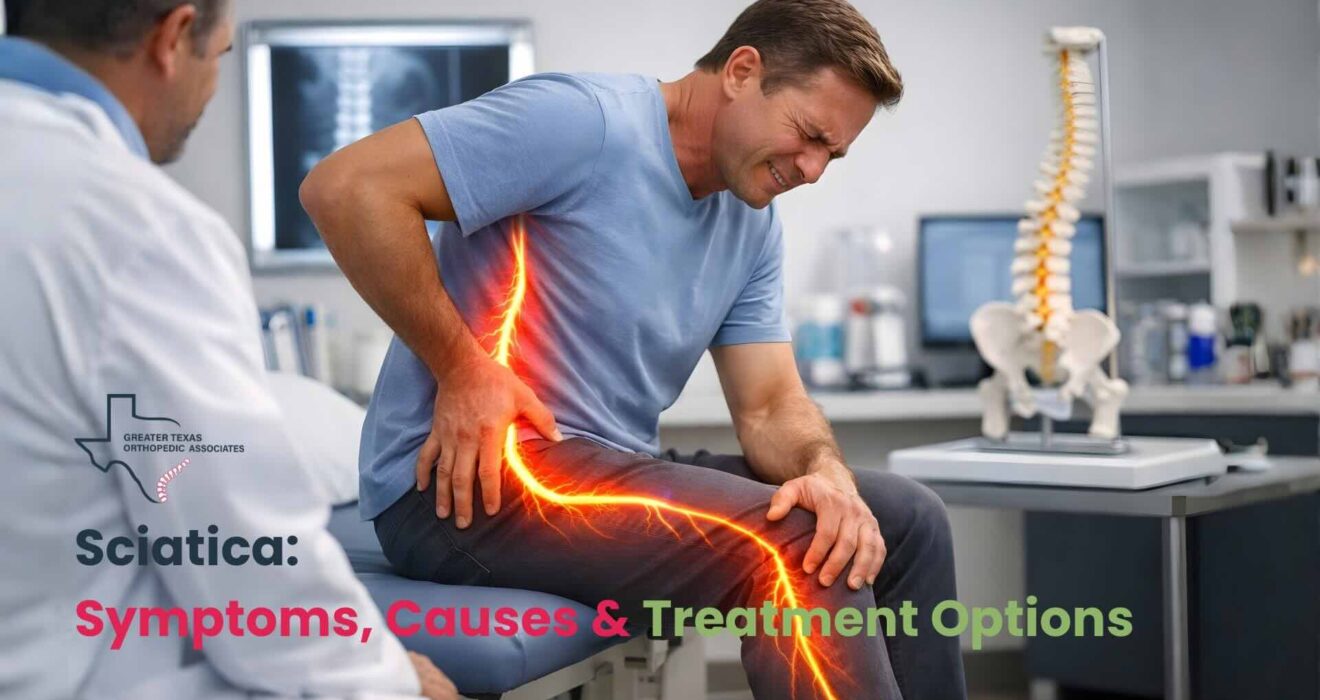
Sciatica is a type of nerve pain that occurs when the sciatic nerve becomes irritated or compressed, often causing pain that travels from the lower back through the hip and down the leg.
According to medical studies, nearly 40% of adults experience sciatica at some point in their lives, making it one of the most common causes of lower back nerve pain and radiating leg discomfort. The condition may develop suddenly after an injury or gradually due to structural changes in the spine.
Many patients describe sciatica pain as a sharp or burning sensation that begins in the lower back and travels through the buttocks and down the leg. In some cases, the pain may become severe enough to interfere with daily activities.
Sciatica symptoms may appear suddenly after lifting injuries, sports activities, or sudden twisting movements of the lower spine. In many cases, the condition develops gradually due to spinal problems such as herniated discs, degenerative changes, or spinal stenosis.
The sciatic nerve controls many muscles in the leg and carries sensory signals from the lower body. When the nerve becomes irritated or compressed, several symptoms can occur.
Patients experiencing persistent lower back or leg pain may benefit from evaluation by orthopedic specialists who diagnose and treat spine-related conditions affecting the nerves, muscles, and joints. Patients can also explore additional resources and medical information on GTOA to better understand spine conditions and treatment options.
What Is Sciatica?
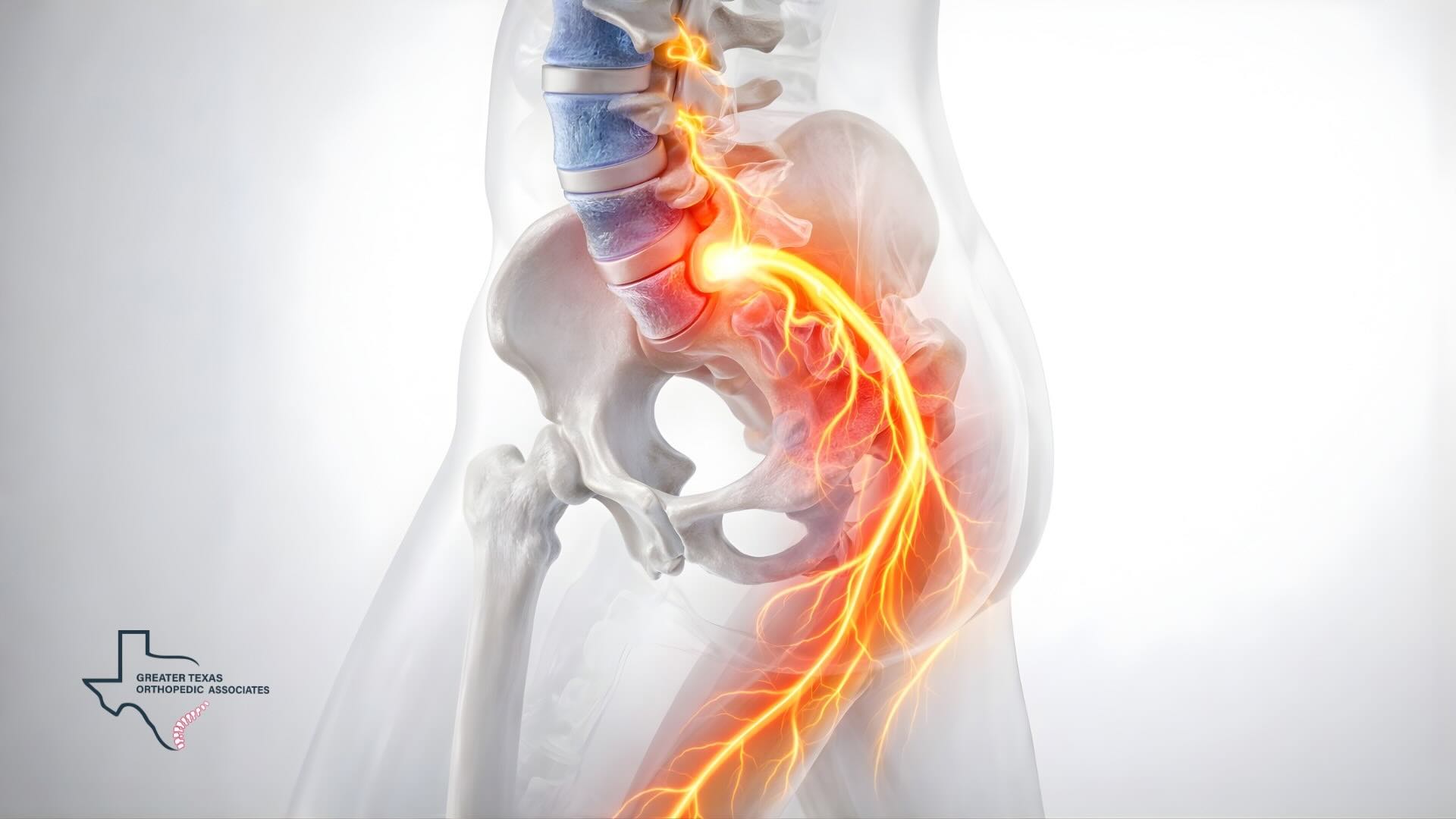
Sciatica refers to sciatic nerve pain that occurs when the sciatic nerve becomes compressed or irritated. The sciatic nerve begins in the lower lumbar spine and travels through the pelvis, buttocks, and down the back of each leg.
The sciatic nerve controls many muscles in the leg and carries sensory signals from the lower body. When the nerve becomes irritated, several symptoms may develop.
Unlike general lower back pain, sciatica usually follows the path of the sciatic nerve. The discomfort usually begins in the lower back or hip and then radiates through the buttock and down the leg.
Sciatica most often affects only one side of the body, although both sides may be involved in rare cases. The pain may worsen when sitting for long periods, bending forward, coughing, or twisting the spine.
Doctors typically consider sciatica a symptom rather than a separate disease because it is usually caused by another spinal condition that compresses the nerve roots.
Common Sciatica Causes
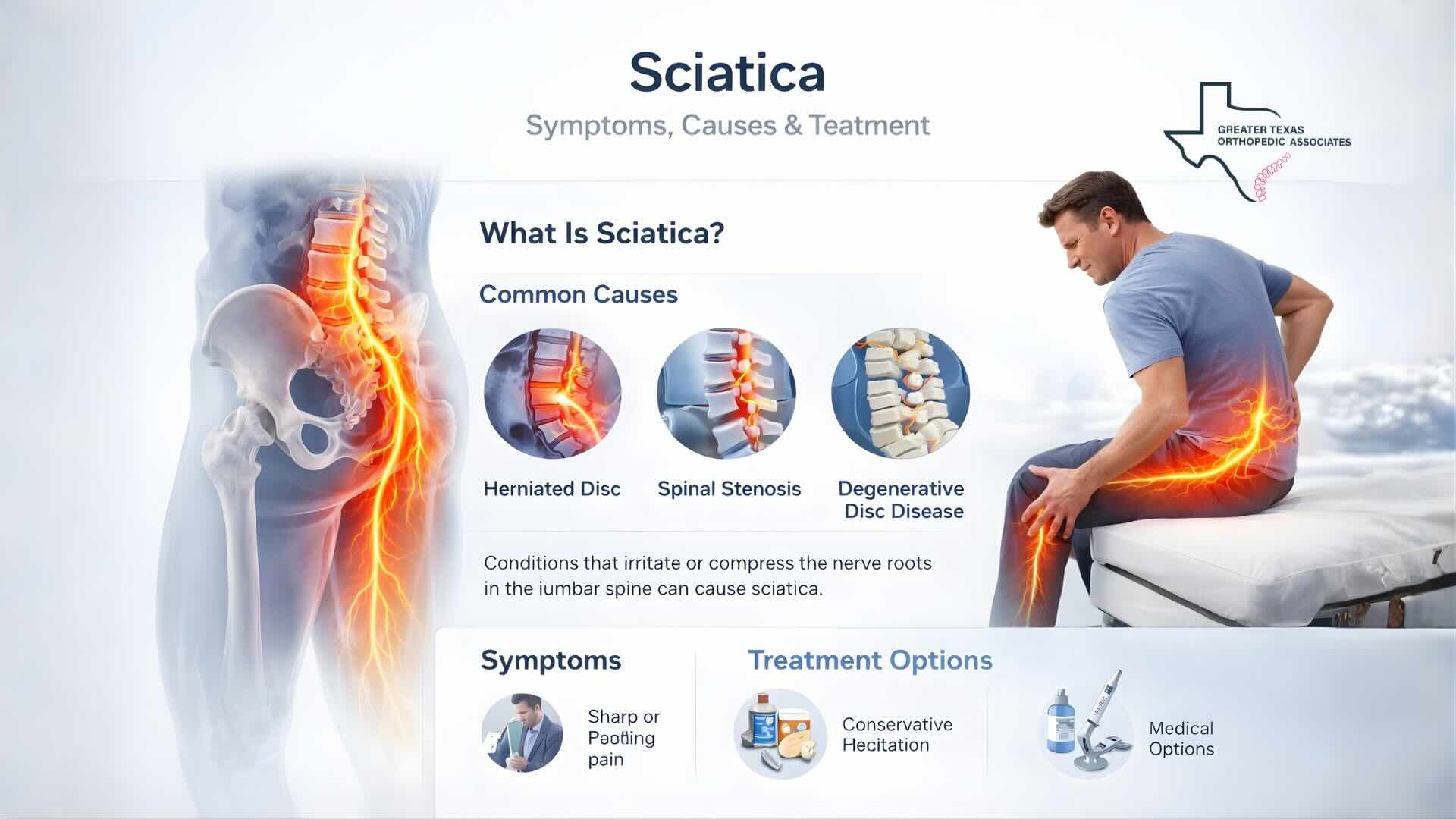
Sciatica causes usually involve conditions that place pressure on the sciatic nerve or on the nerve roots in the lower spine.
One of the most common causes is a herniated disc. Spinal discs act as cushions between the vertebrae of the spine. When a disc bulges or ruptures, the inner material may press against nearby nerves and trigger pain that travels down the leg.
Another common cause is spinal stenosis. This condition occurs when the spinal canal becomes narrower and places pressure on the nerves inside the spine.
Other conditions that may contribute to nerve compression include:
- Degenerative disc disease
- Bone spurs affecting the spine
- Muscle inflammation near the sciatic nerve
Lifestyle factors such as prolonged sitting, poor posture, and heavy lifting can increase pressure on the spine and contribute to nerve irritation.
Age-related changes in the spine may also increase the risk of disc degeneration and joint changes that compress nearby nerves.
Sciatica Symptoms
The symptoms of sciatica often depend on how severely the sciatic nerve is compressed and which part of the spine is involved. Some individuals experience mild discomfort, while others develop severe pain that interferes with daily activities.
One of the most recognizable symptoms is sciatica leg pain that radiates from the lower back down the leg. For example, many patients report feeling sudden pain when standing up after sitting for a long period, with discomfort that travels from the lower back into the buttocks and down the leg.
Sciatica pain may feel like a dull ache or a sharp burning sensation that often becomes worse when sitting, bending, coughing, or twisting the spine.
Common sciatica symptoms include:
- Sharp or burning pain in the lower back or buttock
- Pain that radiates down the back of the leg
- Tingling, numbness, or weakness in the leg or foot
Symptoms may worsen after long periods of sitting or when standing and walking after rest. In more severe cases, muscle weakness can develop in the affected leg.
Because nerve irritation can worsen over time, persistent symptoms should be evaluated by a healthcare professional to determine the underlying cause and begin appropriate treatment.
Why Sciatica Can Worsen Over Time
When the sciatic nerve remains compressed for an extended period of time, inflammation around the nerve can gradually increase. Without proper treatment, the pressure placed on the nerve may continue to worsen and cause symptoms to become more severe.
Orthopedic specialists emphasize that early evaluation is important. Untreated nerve compression can worsen over time and lead to pain, reduced mobility, and muscle weakness. Identifying the underlying cause of the nerve irritation early can help prevent further damage and allow physicians to recommend appropriate treatment options.
As the condition progresses, pain may become more frequent during everyday activities such as sitting, walking, or standing. In some cases, prolonged nerve irritation may also lead to muscle weakness.
Over time, untreated nerve compression may lead to chronic pain and reduced mobility. Early medical evaluation allows physicians to determine the source of the nerve compression and develop a treatment plan designed to relieve pressure on the sciatic nerve and restore normal movement.
Patients who want to better understand how orthopedic specialists evaluate spine-related injuries can read this related article: https://greatertxortho.com/first-orthopedic-evaluation-after-injury/
How Doctors Diagnose Sciatica
Diagnosing sciatica typically begins with a medical history review and physical examination.
Doctors may ask patients to perform certain movements that help identify nerve irritation and determine which part of the spine may be affected.
Physical Examination
During the physical exam, physicians test muscle strength, flexibility, and reflexes in the legs. These tests help determine whether nerve compression may be affecting muscle function.
Pain that travels down the leg during certain movements may indicate irritation of the sciatic nerve.
Imaging Tests
Imaging tests are often used to confirm the diagnosis and determine the cause of the nerve compression.
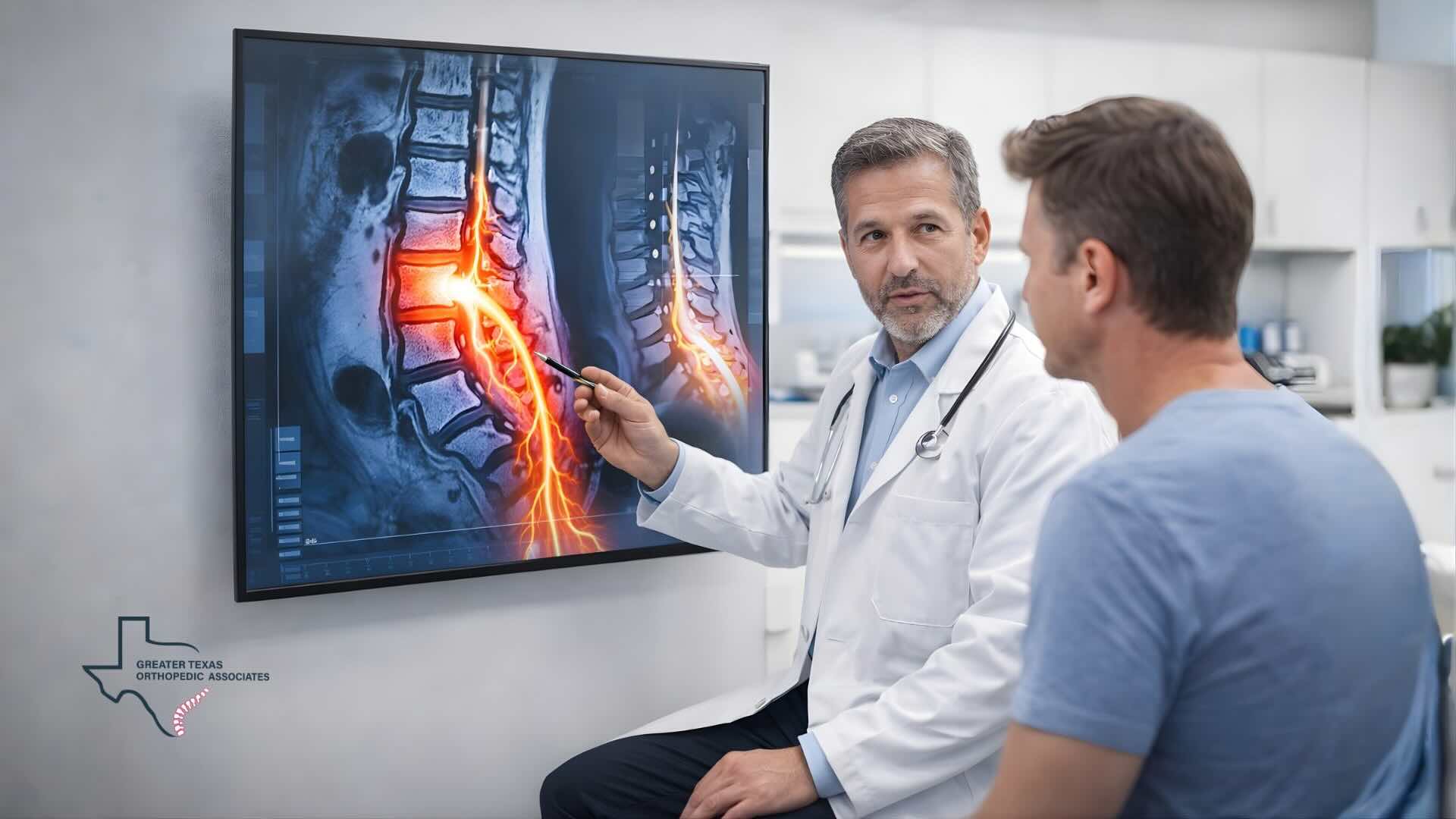
X-rays may help physicians evaluate spinal alignment and detect bone abnormalities. MRI scans provide detailed images of discs, nerves, and surrounding tissues.
These diagnostic tools help physicians determine whether disc herniation, spinal narrowing, or other structural problems are contributing to the symptoms.
Patients experiencing persistent spine-related symptoms may benefit from evaluation by specialists within orthopedic departments that diagnose and treat musculoskeletal conditions.
Sciatica Treatment Options
Treatment for sciatica depends on the underlying cause of the sciatic nerve compression and the severity of the symptoms.
Conservative Treatment
For mild to moderate cases, non-surgical treatments are usually recommended first. Physical therapy programs help strengthen the muscles that support the spine and improve flexibility.
Stretching exercises may help reduce tension around the sciatic nerve and improve mobility. Anti-inflammatory medications may also help reduce swelling and pain.
Advanced Treatment Options
If conservative treatments do not relieve symptoms, physicians may recommend additional approaches such as epidural steroid injections, which are commonly used to reduce inflammation around irritated spinal nerves and relieve pain caused by conditions like sciatica. These injections help decrease pressure on the affected nerve and may provide significant pain relief.
In more severe cases, minimally invasive spine surgery may be considered to relieve pressure on the affected nerve.
Recovery Timeline for Sciatica
The recovery timeline for sciatica can vary depending on the underlying spinal condition, the severity of nerve irritation, and the treatment approach recommended by the physician.
Mild cases often improve within several weeks with rest, physical therapy, and anti-inflammatory treatment. More severe cases may require longer recovery.
Physical therapy is often an important part of recovery because it helps restore strength, improve flexibility, and reduce the risk of future nerve irritation.
When to Seek Medical Care
Although mild back pain may sometimes improve with rest, certain symptoms should be evaluated by a medical professional.
Individuals should seek medical care if they experience:
- Persistent lower back pain
- Pain that radiates down the leg
- Numbness, weakness, or difficulty walking
Early diagnosis allows physicians to begin treatment before the condition becomes more severe.
Preventing Sciatica
Although not all cases of sciatica can be prevented, certain habits can help reduce the risk of developing nerve irritation.
Maintaining strong core and back muscles helps support the spine and reduce pressure on the sciatic nerve. Practicing proper posture and avoiding prolonged sitting are also important.
Regular stretching, exercise, and maintaining a healthy weight may help reduce strain on the lower back and decrease the likelihood of nerve compression.
Conclusion
Sciatica is a condition that causes radiating pain from the lower back into the leg due to irritation or compression of the sciatic nerve. Symptoms may range from mild discomfort to severe sciatic nerve pain that affects daily activities.
Recognizing the symptoms early and identifying the cause of sciatica can help guide effective treatment.
With proper diagnosis and treatment, many individuals are able to reduce nerve irritation, restore mobility, and return to their normal daily activities.
If you are experiencing persistent lower back or leg pain, scheduling an evaluation with an orthopedic specialist can help determine the cause of the symptoms and identify the most appropriate treatment plan.