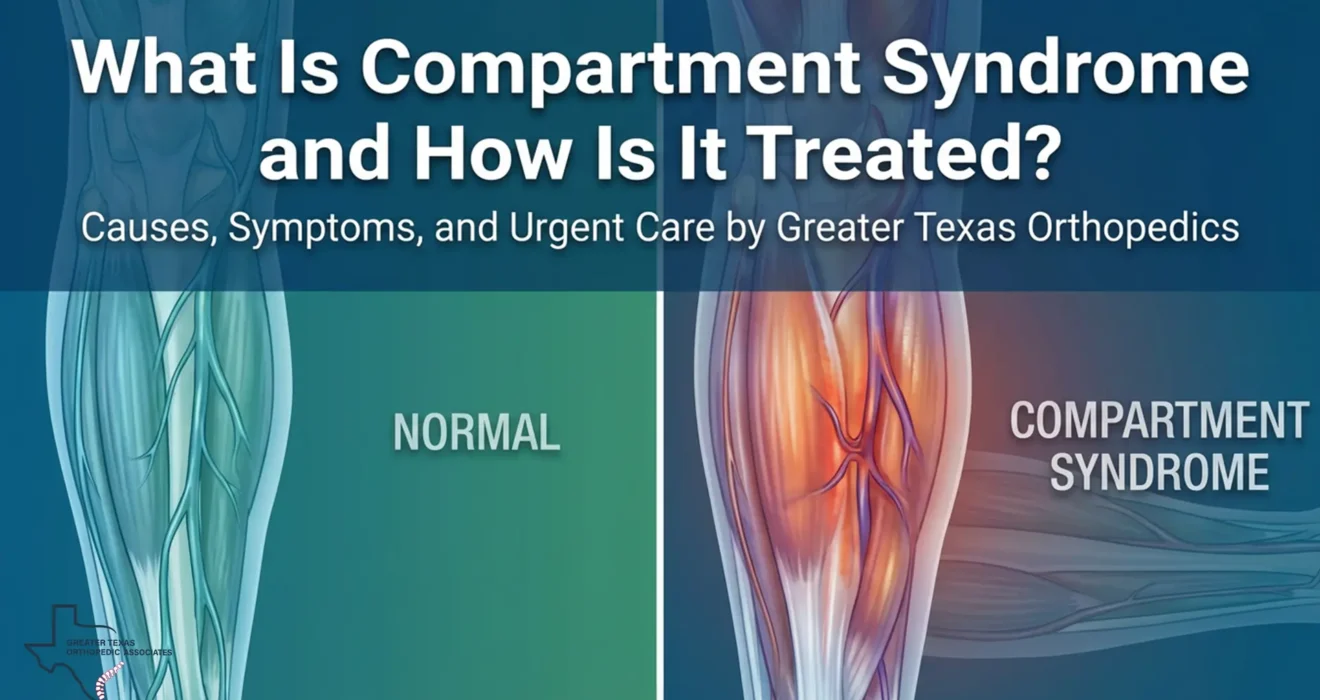
What Is Compartment Syndrome and How Is It Treated?
This condition is a serious and often extremely painful condition that occurs when pressure builds up inside a muscle compartment. This pressure restricts blood flow, which can quickly lead to tissue damage or death.
Because the muscles and nerves are deprived of oxygen and nutrients, this syndrome can threaten the function of the affected limb. Prompt diagnosis and medical intervention are crucial, especially in acute cases, to prevent permanent injury.
Understanding what is Compartment Syndrome begins with recognizing that it is essentially a problem of internal crowding: when swelling or bleeding occurs inside a space that cannot expand, the resulting pressure crushes the vital structures within.
Inside the Muscle: What Is Compartment Syndrome?
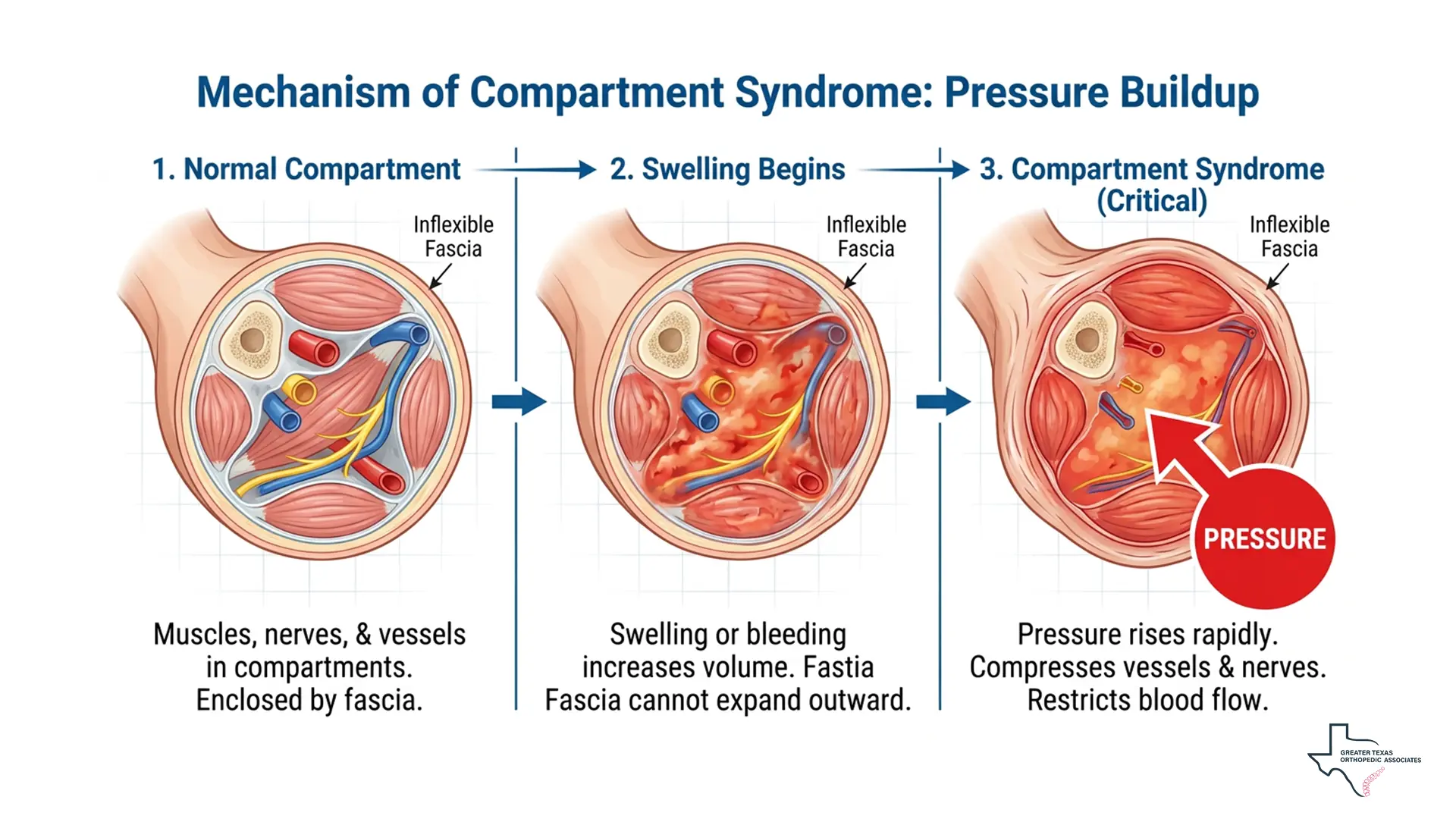
To grasp the mechanics of this condition, it’s important to understand the anatomy of a muscle compartment. In the arms and legs, muscles, nerves, and blood vessels are organized into distinct groups called compartments.
Each compartment is enclosed by a thick, inflexible layer of fibrous tissue called fascia. This fascia acts like a strong, unyielding envelope, holding the tissues in place and preventing expansion when swelling occurs.
This condition develops when swelling or internal bleeding increases the volume within this non stretching space. Since the fascia cannot expand outward, pressure inside the compartment rises rapidly. This intense pressure compresses blood vessels and nerves, cutting off oxygen and nutrient supply to the tissues. If circulation remains blocked for too long, muscle and nerve cells can die, causing irreversible damage (necrosis).
There are two main types based on severity and onset: acute and chronic. The acute, limb threatening variant is sudden, severe, and a true medical emergency. Chronic, or exertional, this syndrome develops gradually, is usually less severe, and is often triggered by intense physical activity, with symptoms subsiding during rest. While it can occur anywhere, it is most common in the lower leg (especially the anterior compartment of the calf) but may also affect the arms, hands, feet, thighs, and buttocks.
Understanding the Factors Behind This Condition
Understanding what causes compartment syndrome is vital for both prevention and rapid response, as the triggers differ significantly between acute and chronic forms.
Acute Causes
Acute cases almost always follow a severe injury or trauma that leads to internal bleeding or massive swelling. Recognizing what causes compartment syndrome in the acute setting involves identifying the specific events that increase pressure within the muscle compartment.
The most common triggers include:
- Bone Fractures: Especially fractures of the tibia (shin bone), which often result in significant internal bleeding and swelling.
- Crush Injuries: Situations where a limb is compressed by heavy objects or machinery, causing extensive muscle and vessel damage.
- Severe Muscle Contusions: Hard impacts, like sports injuries (e.g., helmet strikes), can lead to severe bruising and internal bleeding.
- Restricted Blood Flow: When circulation to a limb is blocked for hours and then restored (reperfusion), extreme swelling can occur. This sometimes happens in immobile patients after severe intoxication.
- Tight Casts or Bandages: Constrictive devices on a swelling limb can worsen internal pressure.
- Vigorous Exercise: Rarely, extreme workouts causing muscle breakdown (rhabdomyolysis) can trigger acute cases.
Chronic Causes
Chronic, or exertional, cases develop more gradually and are directly linked to repetitive physical activity. For this type, what causes compartment syndrome is the repeated stress and expansion of muscles during intense or frequent exercise.
This form is most common in athletes performing repetitive motions such as:
- Running and marching
- Biking and swimming
- Weightlifting
Muscles swell temporarily during activity, causing pressure and pain, but symptoms usually subside quickly once the exercise stops and the muscles relax.

Key Symptoms You Shouldn’t Ignore
Recognizing the distinct symptoms is crucial because the severity of the symptoms dictates the urgency of medical care.
Acute Compartment Syndrome Symptoms
The acute form of this condition presents with classic warning signs that require immediate attention. The hallmark feature is pain that is disproportionately severe compared to the injury itself.
Key Symptoms in the acute form include:
- Intense Pain: Severe, unrelenting pain that doesn’t improve with medication or elevation.
- Pain with Stretching: Pain worsens when muscles in the area are stretched or used.
- Tightness and Swelling: Muscle feels tight or “full,” sometimes visibly bulging.
- Paresthesia: Tingling, burning, or “pins and needles” sensations in the skin.
Late Signs (Nerve Damage): Numbness or paralysis, indicating possible permanent muscle or nerve injury.
Chronic (Exertional) Compartment Syndrome Symptoms
In contrast to the acute form, chronic form symptoms are tied directly to activity.
Typical Symptoms include:
- Pain During Exercise: Pain or cramping starts with activity and worsens the longer it continues.
- Quick Relief with Rest: Pain usually disappears shortly after stopping the exercise.
- Other Temporary Effects: May include temporary numbness, muscle bulging, or difficulty moving the foot.
How Compartment Syndrome Is Diagnosed
Diagnosing this issue requires a specialist to accurately assess the physical signs and internal pressure.
A physician must first rule out other conditions that cause pain in the limbs, such as tendinitis or stress fractures, sometimes using an X-ray.
For suspected acute form, the diagnosis must be made rapidly due to the risk of tissue death. The most definitive test involves measuring the compartment pressure in the affected limb. This is done by inserting a thin needle into the muscle compartment, connecting it to a machine that reads the pressure inside the body.
For chronic form, the diagnosis is confirmed by measuring the compartment pressures both before and after the patient engages in the activity that causes the pain. If the pressures remain abnormally high after exercise, the diagnosis is confirmed. If you are experiencing pain following an injury or sustained activity, precise diagnosis is the first step toward recovery.
GTOA offers comprehensive orthopedic evaluations to accurately diagnose musculoskeletal and neurological problems throughout Texas, ensuring that the correct treatment path is determined from the start. This thorough evaluation ensures that a physical examination and imaging studies pinpoint the true source of your discomfort.
Effective Ways to Manage and Treat the Condition
The appropriate treatment is entirely determined by the type and severity of the condition.
Acute Compartment Syndrome Treatment: Emergency Surgery
Acute cases are surgical emergencies with no effective non surgical options. The standard procedure is a fasciotomy, where the surgeon cuts through the skin and fascia to release dangerous pressure, restoring blood flow to muscles and nerves.
In cases where the swelling is massive, the surgical incision cannot always be closed immediately after the procedure. The wound is then left open and surgically repaired later, typically once the swelling has significantly decreased, and this repair may require a skin graft. Delaying this surgical Compartment Syndrome Treatment risks permanent loss of function.
Chronic Compartment Syndrome Treatment: Conservative Management
Chronic cases usually respond to activity modification:
- Rest and Avoidance: Avoiding repetitive activities that trigger symptoms.
- Exercise Modification: Low impact alternatives or cross training, adjusting running surfaces or foot strike patterns.
- Supportive Measures: Physical therapy, orthotics, and anti inflammatory medications can help manage pain.
If conservative measures fail, elective fasciotomy may be performed. This procedure is similar to the acute fasciotomy but is planned and generally involves a shorter incision, designed specifically to create permanent room for the muscles to swell safely during exercise.

Potential Complications and the Road to Recovery
The long term prognosis for this syndrome depends largely on how quickly and effectively the condition is treated. This condition is a severe form of soft tissue injury where delayed treatment can cause permanent damage. When acute compartment syndrome is identified early and managed immediately with a fasciotomy, most patients have an excellent chance of regaining full function. Delayed treatment, however, allows the rising pressure to block circulation, leading to tissue death (necrosis).
This can result in irreversible muscle and nerve damage. In the forearm, untreated pressure buildup can even lead to a specific deformity known as Volkmann ischemic contracture. Such severe complications often result in long term functional loss and chronic pain, for which our pain relief department provides specialized management strategies.
Chronic compartment syndrome carries a far more favorable outlook because it typically does not cause permanent damage. Conservative management, especially modifying activity levels, often reduces symptoms over time. When surgery is needed for chronic exertional cases, outcomes are usually excellent, particularly for the anterior and lateral compartments of the leg. Recovery after fasciotomy may take up to a year before a patient can safely return to high-intensity physical activity. Understanding what is compartment syndrome in its chronic form helps individuals make informed adjustments and prevent long term complications.
When to Seek Urgent Care
The acute form of this condition is always a medical emergency. If you or someone you know has recently suffered a significant injury (such as a severe fracture, crushing trauma, or even complications after surgery or a tight cast application) and is experiencing the following severe symptoms, you must go to the emergency room immediately:
- Pain that is severe and is significantly worse than expected from the injury itself.
- Pain that worsens dramatically when the muscles in the area are gently stretched.
- A feeling of extreme tightness or hardness in the muscle (fullness).
- New or worsening numbness or paralysis in the affected limb, as this indicates permanent tissue injury has likely begun.
Delaying medical attention when these severe signs are present can result in devastating, irreversible damage to the nerves and muscles. Additionally, if you are wearing a cast or splint and experience severe pain or swelling that does not improve with medication or elevation, contact your provider right away or seek emergency care, as the constricting device may be contributing to the pressure.
Conclusion
What Is Compartment Syndrome, is fundamentally a question of pressure. It is a condition where swelling or bleeding overwhelms the confined space of a muscle compartment, resulting in restricted blood flow that jeopardizes tissue viability.
The critical distinction lies between the two types. Acute type is a severe medical emergency, typically resulting from trauma, and mandates immediate surgical intervention (fasciotomy) to prevent permanent nerve and muscle damage, necrosis, or amputation. Conversely, chronic (exertional) type is usually non-emergent, stemming from intense, repetitive exercise, and often managed effectively through conservative means like rest and activity modification.
The most effective action when dealing with this serious muscle pressure problem is vigilance. If you suspect acute compartment syndrome, seeking immediate emergency care is the only way to safeguard the affected limb and ensure the best outcome. For athletes suffering from exertional pain, avoiding the dangerous mantra of “no pain, no gain” and consulting a specialist for targeted modification or Compartment Syndrome Treatment is the key to managing this painful but usually reversible condition.