
What Is Spinal Stenosis? Symptoms, Causes, and Treatment Options
Spinal stenosis is a condition that develops when the spaces within the spine become narrower, placing pressure on nearby nerves. It most often affects the lower back or neck and can lead to symptoms such as pain, numbness, weakness, or difficulty walking. In many cases, the condition develops gradually, which is why early symptoms are often overlooked or mistaken for normal aging or routine strain.
As nerve compression increases, everyday activities such as standing, walking, or maintaining balance may become more difficult. Early recognition is important because timely evaluation can help identify the cause of symptoms, guide treatment decisions, and reduce the risk of long-term functional limitations.
What Is Spinal Stenosis?
Spinal stenosis refers to the narrowing of the spinal canal, which can place pressure on the spinal cord or surrounding nerves. This condition most commonly affects the lower back (lumbar spine) and neck (cervical spine), although it may occur in other areas as well.
The spine is designed to protect the nervous system while allowing flexibility and movement. When the available space around the nerves becomes restricted, even normal motion can begin to trigger discomfort. Over time, this pressure may lead to pain, numbness, or weakness that interferes with daily activity.
Although often associated with aging, it should not be dismissed as a normal part of getting older. In clinical practice, physicians typically identify this condition when patients begin to experience changes in mobility that do not improve with rest. These changes may include reduced walking tolerance, discomfort during prolonged standing, or a gradual decline in physical endurance.
In many cases, patients do not immediately connect these symptoms to a spinal issue, which can delay proper evaluation and treatment. As nerve compression increases, limitations become more noticeable and begin to interfere with routine activities, highlighting the importance of early recognition.
Types of Spinal Stenosis
To better understand this condition, it is helpful to recognize that it can affect different regions of the spine.
Cervical Spinal Stenosis
This form affects the neck and may lead to symptoms in the shoulders, arms, or hands. In more advanced cases, it can also impact coordination, dexterity, and balance.
Lumbar Spinal Stenosis
Lumbar involvement is the most common type and affects the lower back. It often causes symptoms in the hips, legs, or feet, particularly during walking or prolonged standing something many active adults in Texas may begin to notice over time.
What Causes Spinal Stenosis
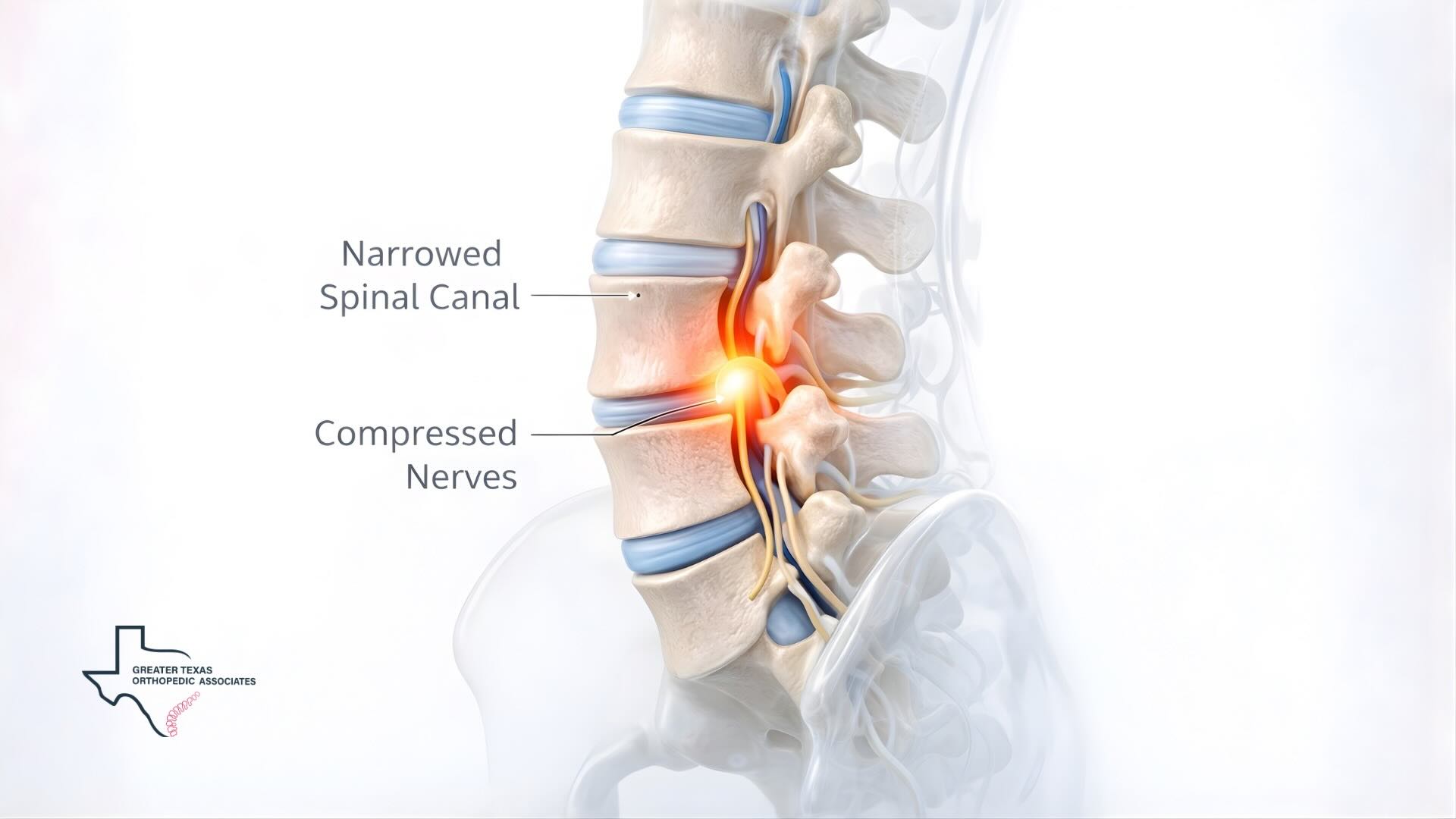
To better understand why this condition develops, it helps to examine the structural changes that occur within the spine. In most cases, it progresses gradually over time.
Several contributing factors include:
- Degeneration of spinal discs, reducing cushioning between vertebrae
- Thickening of ligaments that decrease space within the spinal canal
- Formation of bone spurs caused by joint instability or arthritis
In many individuals, the narrowing is not caused by a single issue but by a combination of changes that reduce the space available for surrounding nerves.
Previous injuries, repetitive stress, or physically demanding activities, common in certain professions across Texas, can accelerate these changes.
Spinal Stenosis Symptoms
Recognizing symptoms early can make it easier to manage the condition before it becomes more limiting. Because it develops gradually, symptoms often begin subtly and become more noticeable over time.
Common symptoms include:
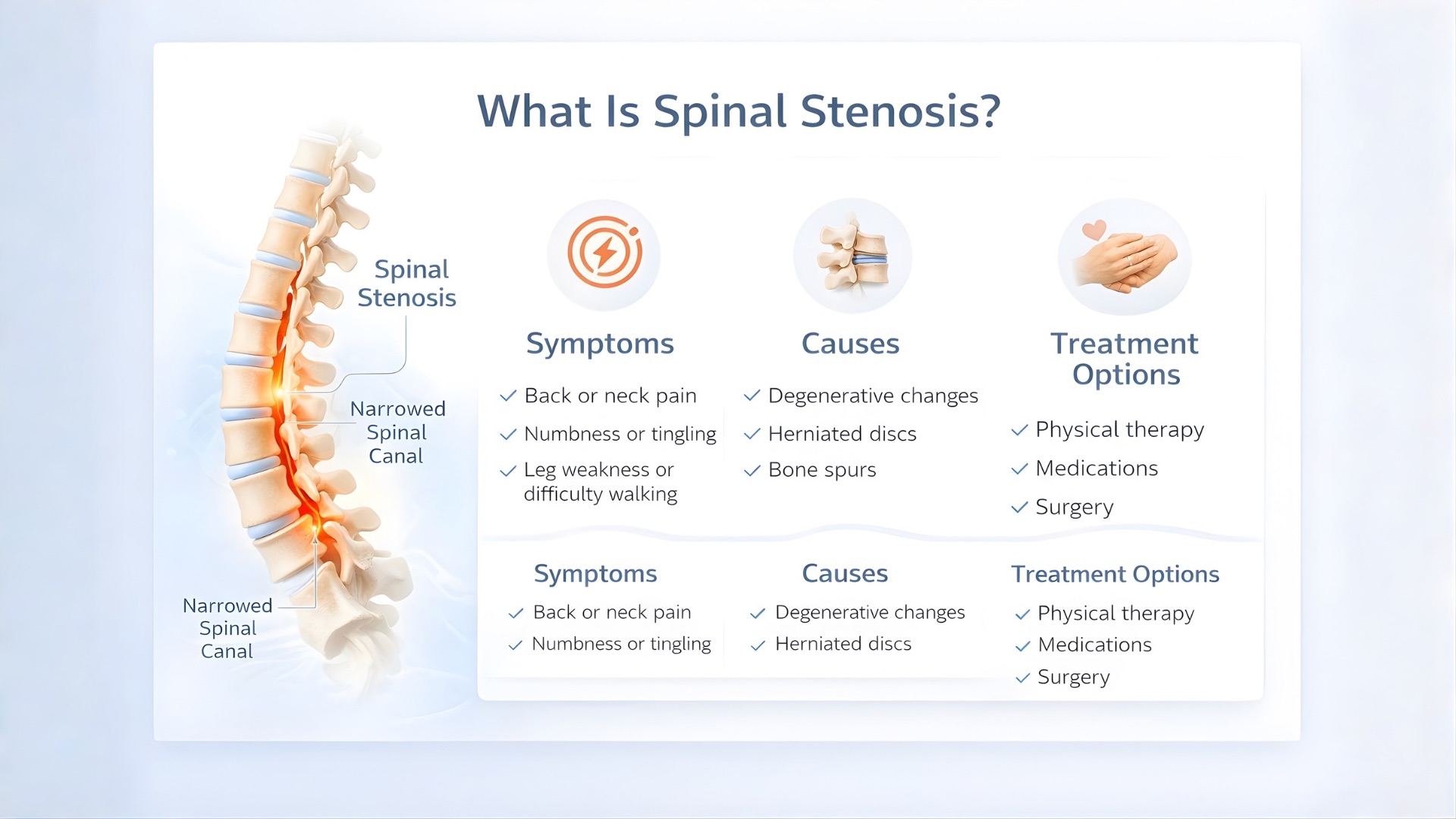
- Persistent pain in the lower back or neck
- Numbness or tingling in the arms or legs
- Muscle weakness affecting balance or coordination
These symptoms do not always appear at the same time and may develop gradually. In many cases, they are initially mistaken for minor discomfort or fatigue.
How Symptoms Progress Over Time
As symptoms progress, they tend to follow a recognizable pattern. Discomfort may initially occur during extended activity, such as walking or standing. Over time, even shorter periods of movement can trigger symptoms.
Many individuals notice that bending forward or sitting provides temporary relief. This posture slightly reduces pressure on the affected nerves. However, without proper evaluation, symptoms often continue to worsen.
Understanding how these changes develop helps physicians make more accurate diagnostic and treatment decisions.
How Serious Is Spinal Stenosis?
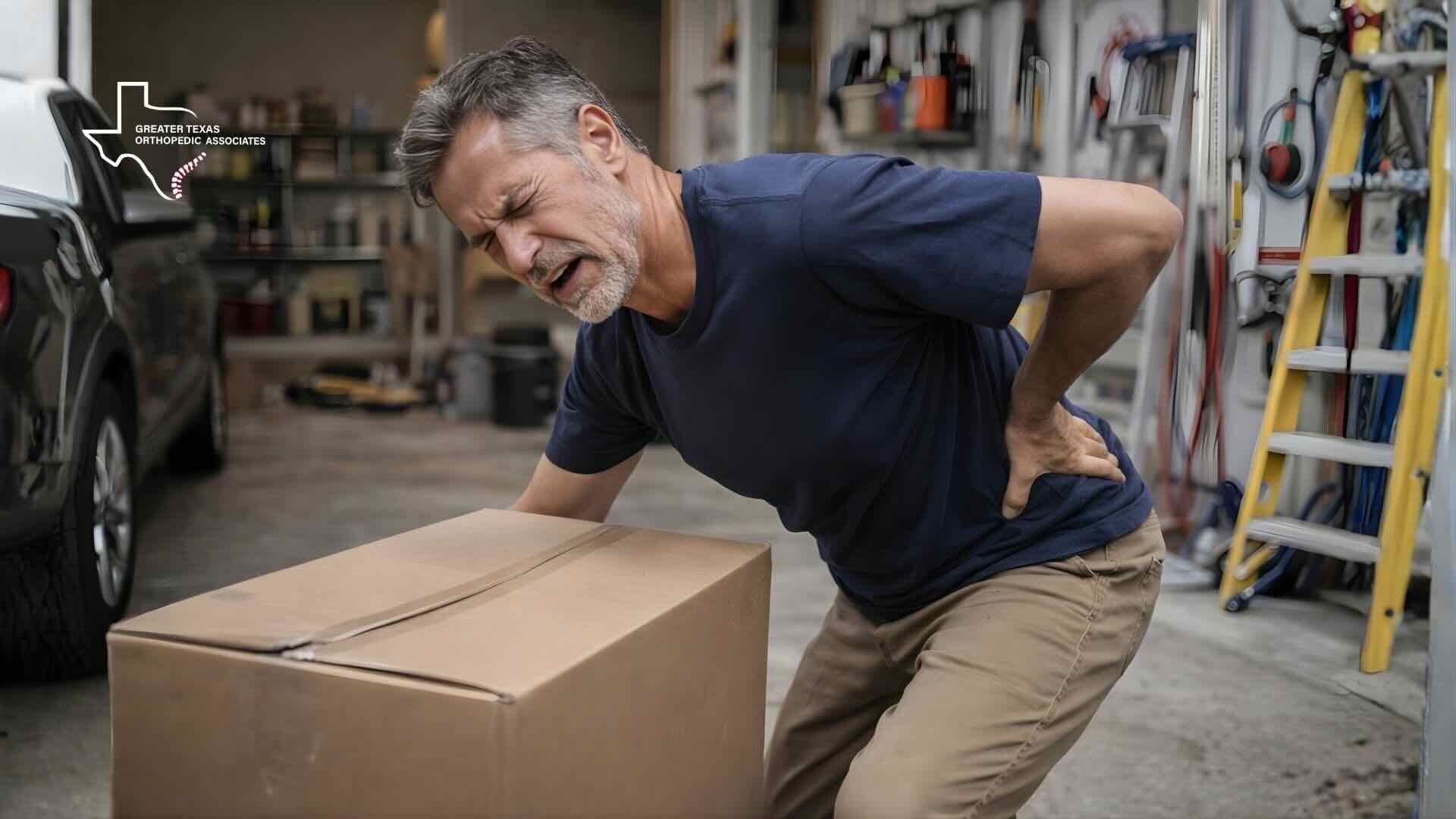
The severity varies depending on the degree of nerve compression. In early stages, symptoms may be mild and manageable. However, as the condition progresses, it can begin to interfere with mobility, balance, and daily function.
In more advanced cases, untreated narrowing of the spinal canal may lead to chronic pain, nerve damage, or difficulty walking. This progression highlights the importance of early evaluation and consistent medical care.
Who Is Most at Risk?
This condition is more common in individuals over the age of 50, but it can also affect younger people with certain risk factors.
These include:
- Prior injuries
- Repetitive strain
- Arthritis
- Structural spinal conditions
Understanding these risks helps patients, especially those with physically demanding lifestyles, recognize symptoms earlier and seek evaluation before the condition progresses.
How Spinal Stenosis Diagnosis Works
A proper spinal stenosis diagnosis requires a structured and comprehensive evaluation. Physicians assess both clinical presentation and imaging findings to confirm the condition.
During the diagnostic process, specialists typically review:
- Medical history and progression of symptoms
- Physical examination findings
- Imaging studies such as MRI or CT scans
A clear diagnosis is essential not only for confirming the condition, but also for determining its severity and guiding appropriate treatment decisions.
If you are experiencing symptoms, scheduling an orthopedic evaluation can help identify the cause early and determine the most appropriate treatment.
At Greater Texas Orthopedics, this comprehensive approach helps ensure an accurate diagnosis and an effective treatment plan tailored to each patient.
Spinal Stenosis Treatment Options
The primary goals of treatment are to reduce symptoms, improve function, and prevent further progression. Treatment approaches vary depending on the severity of the condition.
Non-Surgical Treatment Approaches
Non-surgical treatment typically includes:
- Physical therapy
- Activity modification
- Anti-inflammatory medications
These approaches aim to improve spinal stability and relieve pressure on nerves. In early stages, they can significantly improve mobility and reduce discomfort without requiring invasive procedures.
When Advanced Treatment Is Needed
In some cases, conservative treatment may not provide enough relief, especially when symptoms continue to worsen or begin to interfere significantly with daily activities. Advanced treatment may be necessary when pain becomes persistent, walking tolerance decreases, balance problems develop, or neurological symptoms become more noticeable.
At that stage, treatment may involve more specialized care focused on reducing nerve-related pain and improving function. Depending on the severity of the condition, this may include interventional pain management, targeted injections, or further evaluation for surgical treatment. The goal is to prevent continued decline and help patients maintain mobility and quality of life.
Living With Spinal Stenosis
Managing this condition often involves ongoing care rather than a one-time treatment. Many individuals adjust their daily routines while continuing to receive consistent medical support.
Long-Term Management Strategies
Long-term management focuses on maintaining mobility, slowing symptom progression, and preserving overall function. This may include guided exercise, physical therapy, and regular follow-up care.
Patients who actively participate in their care plan are generally better positioned to maintain independence and quality of life.
For more educational insights on spinal health, you can explore our latest updates and resources.
Why Early Evaluation Matters
Early evaluation can significantly improve how this condition is managed over time.
Because symptoms develop gradually, many individuals delay seeking care until it becomes more advanced. However, early identification allows physicians to:
- Monitor changes more effectively
- Begin treatment sooner
- Reduce the risk of complications
At Greater Texas Orthopedics, early care plays a key role in helping patients maintain mobility and avoid long-term limitations.
Conclusion
Spinal stenosis can gradually affect mobility, comfort, and overall quality of life as nerve compression becomes more significant over time. Recognizing symptoms early, obtaining an accurate diagnosis, and beginning appropriate treatment are key steps in managing the condition effectively.
With timely orthopedic evaluation and a well-structured care plan, many patients are able to reduce symptoms, maintain function, and continue daily activities with greater confidence. Early care remains one of the most important factors in preventing the condition from becoming more limiting over time.