
Post-Accident Orthopedic Care: What Patients Need to Know
When recovering from a personal injury, understanding your medical options is the first step toward healing. Many individuals experience musculoskeletal pain after a sudden impact, making early evaluation essential for long-term recovery.
In this test article, we examine how orthopedic specialists evaluate common injuries and what patients should look for during their initial recovery phase.
Common Signs of Musculoskeletal Strain
After a car crash or a slip-and-fall incident, the body’s immediate response can sometimes mask underlying discomfort. Over the following days, certain symptoms may become more noticeable.
Symptoms That Warrant a Medical Evaluation
-
Persistent Joint Stiffness: Difficulty moving the shoulder, knee, or wrist.
-
Localized Swelling: Inflammation that does not subside with rest and ice.
-
Radiating Discomfort: Pain that travels from the lower back down into the legs.
How Orthopedic Diagnostic Testing Works
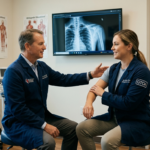
A comprehensive orthopedic evaluation relies on both physical examinations and advanced imaging technologies to create an accurate treatment plan.
-
Physical Assessment: Testing range of motion, muscle strength, and reflex responses.
-
Advanced Imaging: Utilizing X-rays or MRI scans to view bone structures and soft tissues.
-
Electrodiagnostic Medicine: Checking nerve and muscle function if tingling is present.
Note for Testing: This is a blockquote element. Use this style to highlight important patient alerts, clinical quotes, or key takeaways within the article.
Comprehensive Treatment Options
Orthopedic care is highly customized, ranging from conservative conservative therapies to advanced interventions depending on the patient’s specific needs.
-
Conservative Care: Physical therapy, targeted exercises, and anti-inflammatory management.
-
Interventional Options: Image-guided injections to reduce localized inflammation.
-
Surgical Evaluation: Advanced procedures reserved for structural damage that requires repair.
Frequently Asked Questions (FAQ Test)
How long does an initial orthopedic evaluation take?
A typical initial consultation and physical examination take approximately 30 to 45 minutes, depending on whether digital imaging is required on-site.
Should I bring previous imaging results to my appointment?
Yes. Bringing prior X-rays, MRIs, or medical records from the emergency room helps your specialist build a more accurate timeline of your injury.
Disclaimer: This is a dummy article generated for website layout testing and formatting verification purposes.