Loading article

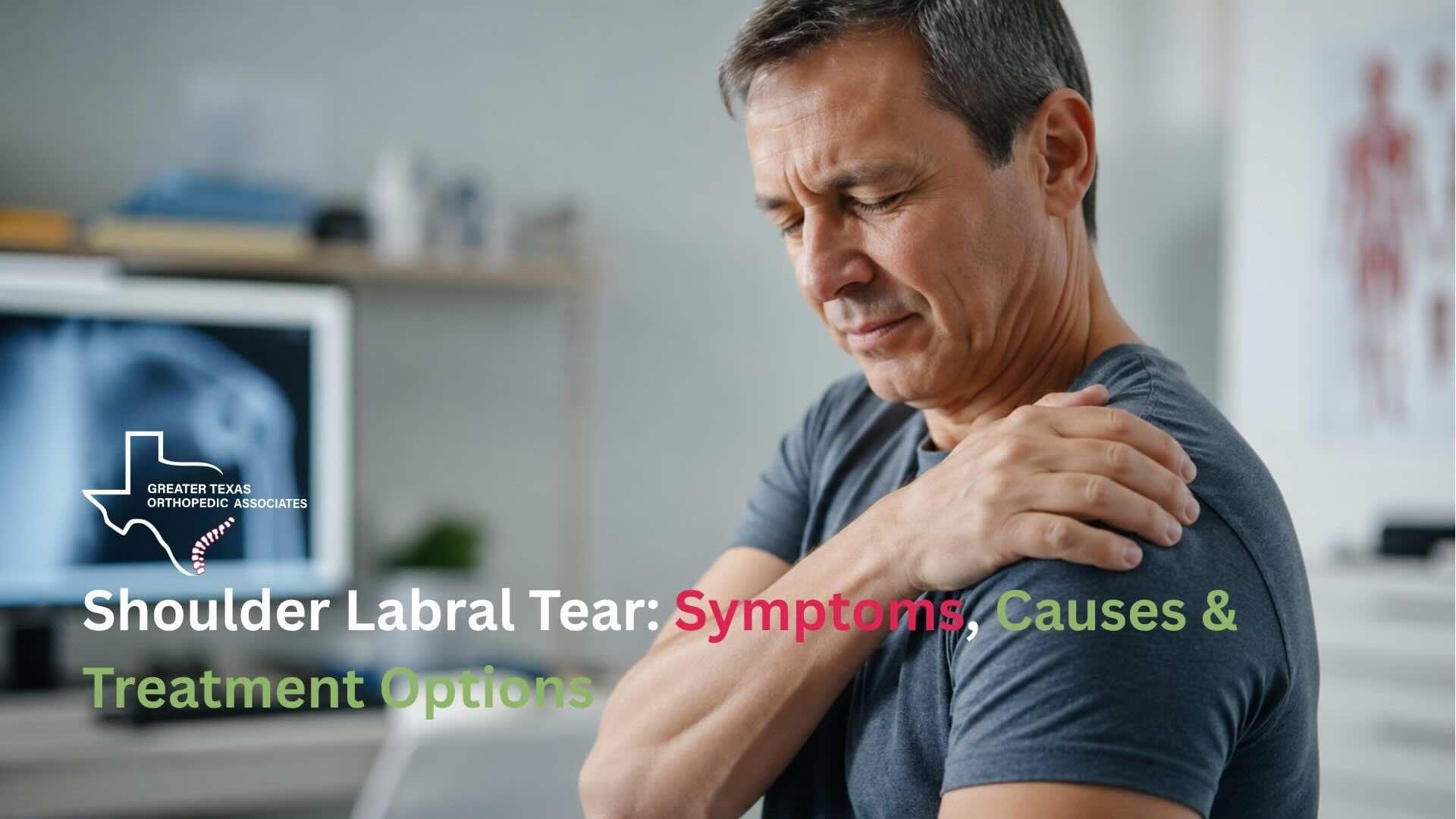
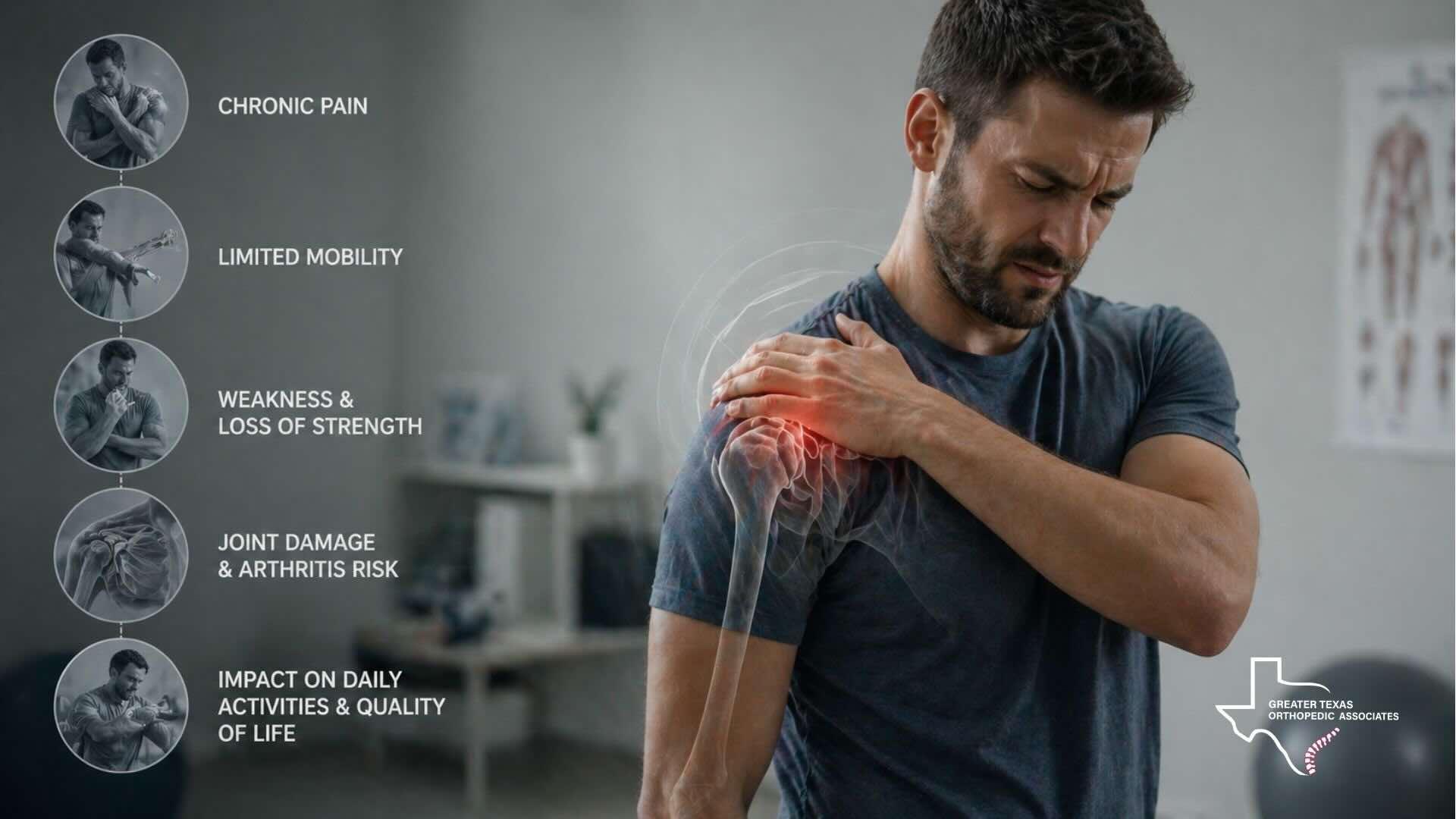
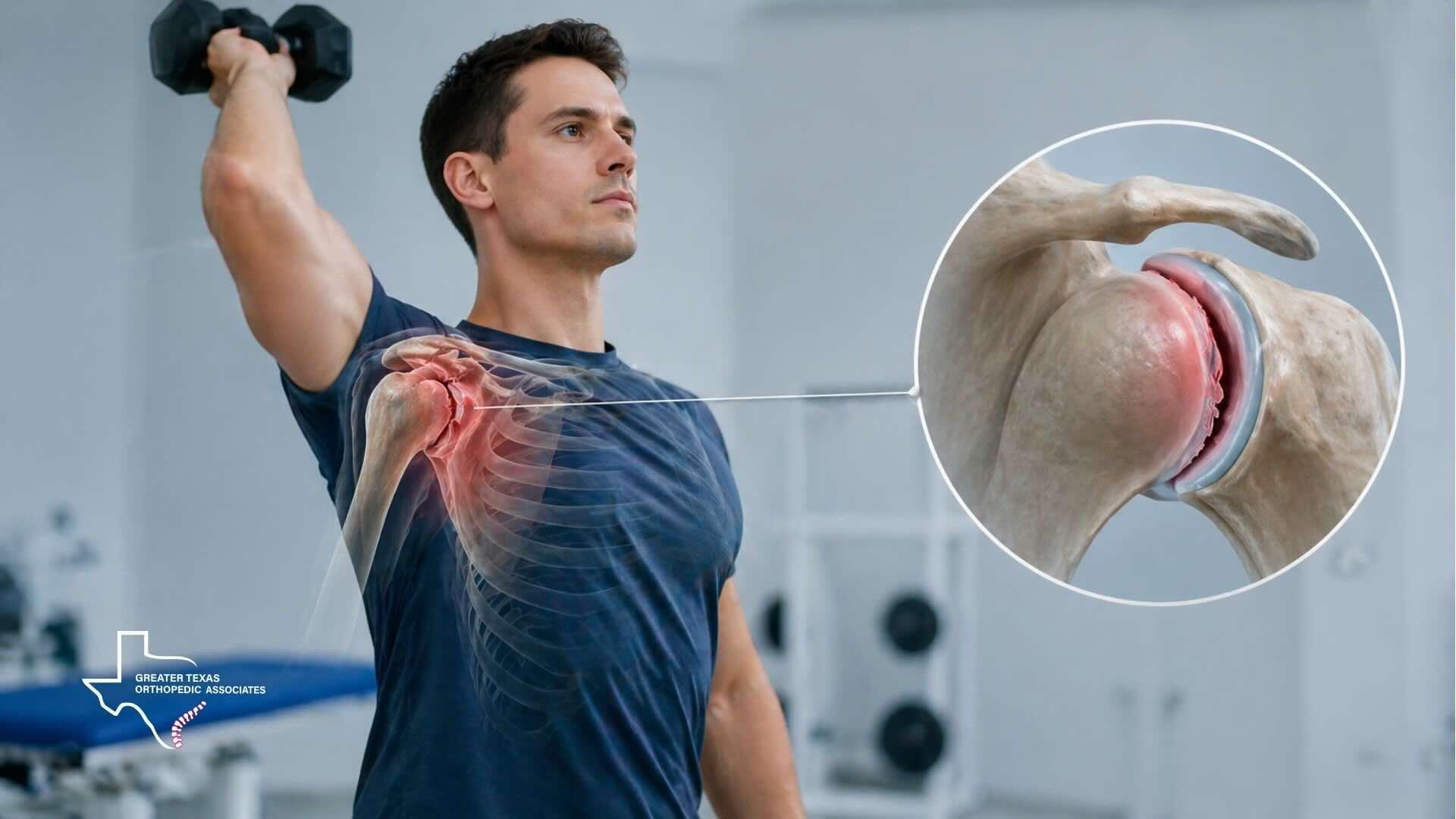
A shoulder labral tear happens when the ring of cartilage that helps stabilize the shoulder joint becomes damaged. Because the labrum helps keep the ball of the upper arm bone centered in the socket, a tear can lead to deep shoulder pain, clicking, weakness, or a feeling that the shoulder may slip out of place.
This injury can occur after a fall, dislocation, sports activity, repetitive overhead movement, or gradual wear over time. In some cases, symptoms start suddenly after a specific injury. In others, they develop slowly and may be mistaken for a simple strain or overuse problem.
If shoulder pain, popping, catching, or instability continues, it may be a sign that the labrum or another stabilizing structure has been injured. Understanding the symptoms, causes, diagnosis, and treatment options can help patients know when to seek an orthopedic evaluation.
A shoulder labral tear can cause a range of symptoms, and they are not always obvious at first. Some patients feel pain right after an injury, while others notice symptoms gradually during lifting, reaching, or overhead activity.
One of the most common signs is deep pain inside the shoulder joint. This pain may become worse when reaching overhead, rotating the arm, lifting objects, or performing repetitive movements. Some patients also describe clicking, popping, catching, or a feeling that the shoulder does not move smoothly.
Common labral tear shoulder symptoms may include:
These symptoms can sometimes resemble a rotator cuff injury or general shoulder strain. However, labral tears are more often associated with deep joint pain, mechanical symptoms, and instability. If symptoms continue after rest, worsen with activity, or begin after trauma or repetitive overhead use, an orthopedic evaluation can help identify the source of the problem and guide the next step in care.
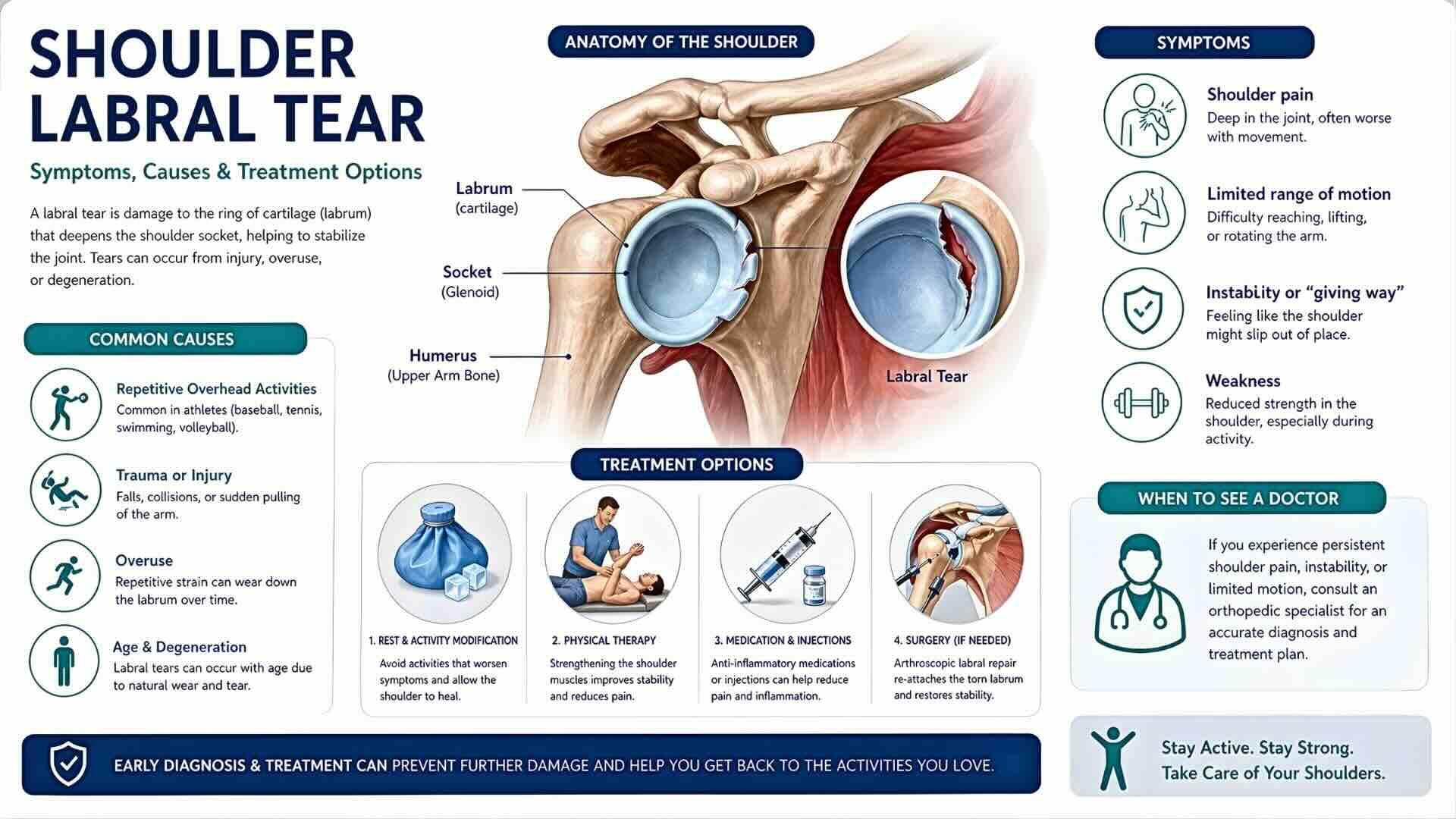
Labral tears typically occur in two main ways: through a sudden injury or as a result of repeated stress over time.
Some shoulder labral tears occur suddenly due to trauma. A fall onto an outstretched arm, a direct blow to the shoulder, or a forceful pulling motion can damage the labrum. Shoulder dislocations are also a common cause of this type of injury.
In these cases, patients often remember the exact moment when symptoms started. The shoulder may immediately feel unstable, painful, or difficult to move normally.
Instability is a key feature of traumatic labral injuries. Patients frequently describe a sensation that the shoulder is slipping, shifting, or not staying securely in place during movement.
Other labral tears develop gradually due to repetitive stress. Activities that involve frequent overhead motion such as throwing, swimming, painting, or weight training can place ongoing strain on the labrum.
Over time, this repeated stress can lead to small areas of damage that eventually progress into a tear. In these cases, symptoms may develop slowly and worsen gradually.
Age-related degeneration can also play a role. As the labrum naturally weakens over time, it becomes more susceptible to injury, even without a specific traumatic event.
Understanding whether the injury is traumatic or degenerative is important because it directly influences shoulder labrum tear treatment options and expected recovery timelines.
Certain individuals are more likely to develop a shoulder labral tear due to the physical demands placed on their shoulders.
Higher risk groups include:
Repeated strain or previous injuries can increase the likelihood of developing chronic labral problems over time.
The term “shoulder labral tear” includes several different injury patterns. Each type affects the shoulder in a slightly different way and may require a different treatment approach.
A SLAP tear involves the upper portion of the labrum where the biceps tendon attaches. This type of injury is often associated with overhead activities and is common among athletes.
Patients with a SLAP tear may experience pain during lifting, throwing, or repetitive use of the shoulder.
A Bankart tear affects the lower front portion of the labrum and is closely linked to shoulder dislocations. This type of injury is strongly associated with instability.
Patients often report that the shoulder feels loose or at risk of dislocating again, especially during certain movements.
Posterior labral tears are less common but can still cause discomfort and subtle instability. In some cases, patients may have a combination of tear patterns along with other issues such as tendon irritation or joint stiffness.
These variations highlight why an accurate shoulder labral tear diagnosis is essential for determining the most appropriate treatment strategy.
Diagnosing a labral tear involves combining clinical evaluation with imaging studies. No single test can confirm the condition on its own.
The diagnostic process typically includes:
Imaging is then used to confirm the diagnosis:
A reliable shoulder labral tear diagnosis depends on interpreting imaging results in the context of symptoms and functional limitations. This combined approach helps avoid misdiagnosis and ensures that treatment is appropriate.
The right shoulder labrum tear treatment depends on the type and severity of the tear, the level of shoulder instability, the patient’s activity demands, and how much symptoms affect daily life. Some labral tears can improve with non-surgical care, while others may require surgical repair if instability or pain continues.
Non-surgical treatment is often the first option when the shoulder is stable and symptoms are manageable. The goal is to reduce pain, improve movement, strengthen the muscles around the joint, and restore shoulder control.
Non-surgical care may include:
Physical therapy is especially important because stronger surrounding muscles can help compensate for labral irritation and improve joint stability. For some patients, this approach reduces pain and allows them to return to normal activities without surgery.
Pain management services may also be considered when discomfort limits progress with rehabilitation or daily function.
Surgery may be recommended when a labral tear causes ongoing instability, repeated dislocations, significant mechanical symptoms, or pain that does not improve with conservative treatment. It may also be considered when imaging shows a tear pattern that is unlikely to respond well to non-surgical care.
Surgical treatment is commonly performed using arthroscopy, a minimally invasive technique that allows the surgeon to repair or stabilize the damaged labrum through small incisions. The goal is to restore shoulder stability, reduce pain, and help the patient return to normal function as safely as possible.
The best treatment plan depends on a careful diagnosis, the patient’s goals, and how the shoulder responds to initial care.
Recovery from a shoulder labral tear varies depending on the type of injury, treatment approach, and individual factors.
Several factors influence recovery, including:
Patients treated conservatively may notice early pain relief within a few weeks, although full strength and stability can take longer to return.
After surgery, recovery follows a structured rehabilitation program. This typically includes gradual progression from limited movement to strengthening and eventually returning to full activity.
Even with similar injuries, recovery timelines can vary significantly between individuals.
Mild shoulder discomfort may improve with rest, but certain symptoms should not be ignored.
You should consider an evaluation if:
Early assessment plays an important role in accurate shoulder labral tear diagnosis and increases the chances of successful non-surgical treatment.
If shoulder pain, clicking, or instability continues, scheduling an orthopedic evaluation can help clarify the diagnosis and guide the next step in treatment.
Conclusion
A shoulder labral tear affects more than just pain. Because the labrum plays a critical role in stabilizing the joint, an injury can change how the shoulder moves, how strong it feels, and how confidently it can be used during everyday activities.
Symptoms such as deep pain, clicking, or instability should not be dismissed as minor issues. While some patients improve with conservative care, others may require surgical repair depending on the severity of the injury and functional limitations.
Addressing symptoms early allows for a more accurate diagnosis and a more effective treatment plan. If something doesn’t feel right in your shoulder, getting it evaluated sooner can help prevent long-term complications and support a smoother recovery.
Every comment is reviewed before publication. Do not include medical details, personal identifiers, or information about an active claim. This form is not monitored for medical questions or emergencies.
Three more from the same thread.
Showing the first 3 of 3 articles
Comments are reviewed before they appear. For appointments, records, or medical questions, use the contact page.
No comments have been published on this article yet.