Loading article

Being told your X-ray is normal can feel like the end of the story, until pain keeps getting worse. Many patients search “normal x-ray but still in pain after a car accident” because the emergency visit ruled out a fracture but did not explain why their neck, back, shoulder, or nerve symptoms are still there.
For attorneys and case managers, the concern is similar but more specific: does the medical record explain the pain pattern, physical findings, treatment need, and functional limits that followed the crash?
A normal X-ray can be useful, but it does not answer every medical question after a collision. Persistent pain may involve soft tissue injury, nerve irritation, disc involvement, joint damage, or functional limits that need a focused orthopedic evaluation.
Emergency rooms focus on urgent problems after a collision, such as major fractures, dislocations, bleeding, neurological emergencies, and life-threatening injuries. That is not the same as a full orthopedic injury evaluation.
A driver rear-ended at a stoplight may feel sore on day one, then develop headaches, neck stiffness, and shoulder tightness by day three. That delayed pattern deserves follow-up when symptoms interfere with movement, sleep, driving, or work.
When pain continues, the next question is whether the patient’s symptoms, crash details, physical exam, objective medical findings after a car accident, and daily limitations all point in the same medical direction and support the next step in care.
Every comment is reviewed before publication. Do not include medical details, personal identifiers, or information about an active claim. This form is not monitored for medical questions or emergencies.
Three more from the same thread.
Showing the first 3 of 3 articles
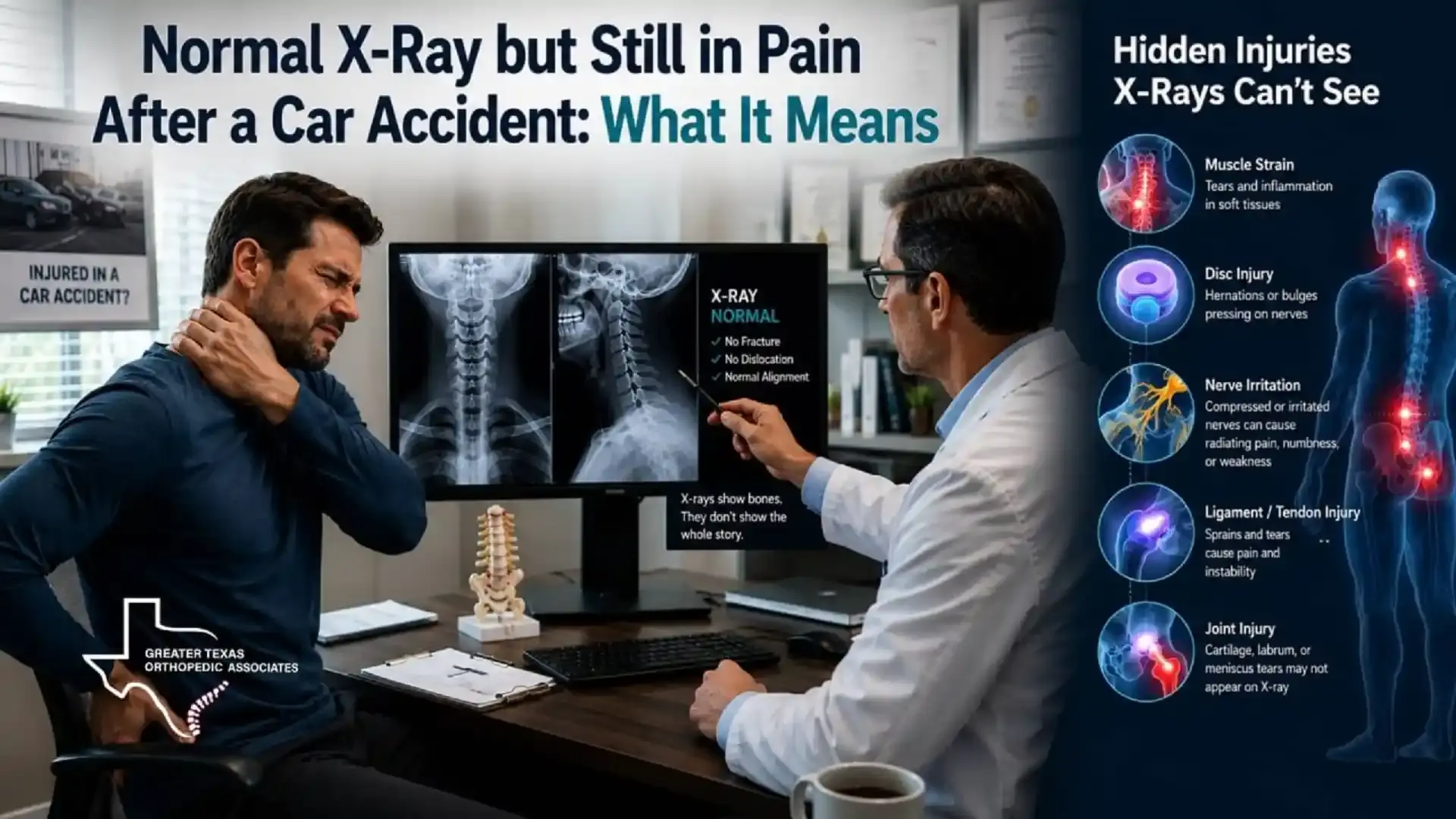
According to Cleveland Clinic, X-rays create images by showing how different tissues absorb radiation. Dense structures like bone appear more clearly, which makes X-rays useful for fractures, dislocations, alignment problems, and some joint changes.
This is one reason a patient with a normal X-ray but still in pain after a car accident may require further evaluation even when no fracture is identified.
Soft tissue structures such as ligaments, tendons, muscles, discs, cartilage, and nerves are usually not seen in detail on a standard X-ray. A normal study can still leave important questions unanswered because pain, weakness, limited motion, nerve irritation, causation, and treatment need require clinical correlation.
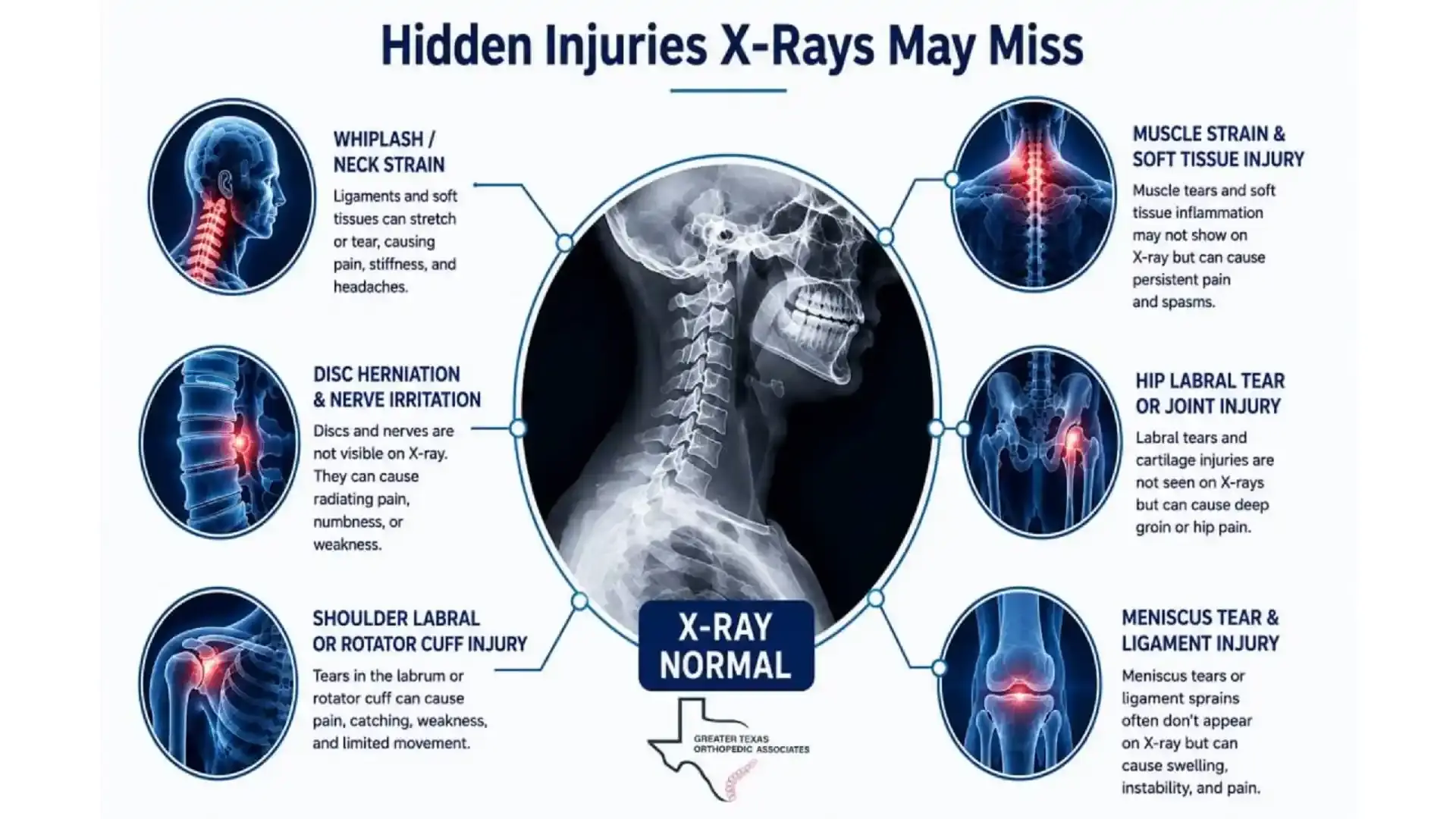
Some hidden injuries after car a accident involve structures that stretch, tear, swell, compress, or become irritated without a visible broken bone. These injuries can affect the neck, back, shoulder, hip, knee, or nerves.
Mayo Clinic describes whiplash as a neck injury caused by forceful back-and-forth movement, often from rear-end crashes. Disc irritation can send pain into the arm, hand, buttock, leg, or foot. Joint injuries may cause catching, instability, swelling, or sharp pain with motion.
Common injuries that may be missed or underexplained by X-ray include:
Car accident pain no fracture does not mean there is no injury. It simply means the X-ray did not identify a broken bone. That distinction matters for treatment and for personal injury documentation.
For example, a patient may have no shoulder fracture but still have painful catching from a labral injury. Another may have no spine fracture but still have disc irritation causing leg pain. A third may have no broken bone in the knee but persistent swelling from a meniscus injury.
Pain after a car accident with a normal X-ray can change over time. Adrenaline, shock, medication, or pain in another area may hide symptoms at first. By day two or three, stiffness, spasms, headaches, or radiating pain may become more obvious.
Delayed symptoms after a crash are not automatically unrelated to the injury. In many cases involving pain after a car accident and a normal X-ray, the key is whether timing, movement triggers, exam findings, and treatment response make medical sense.
Symptoms that deserve follow-up include:
These symptoms matter for care first. They also matter because vague notes can make it easier for an insurer to argue that the pain was minor, unrelated, or unsupported.
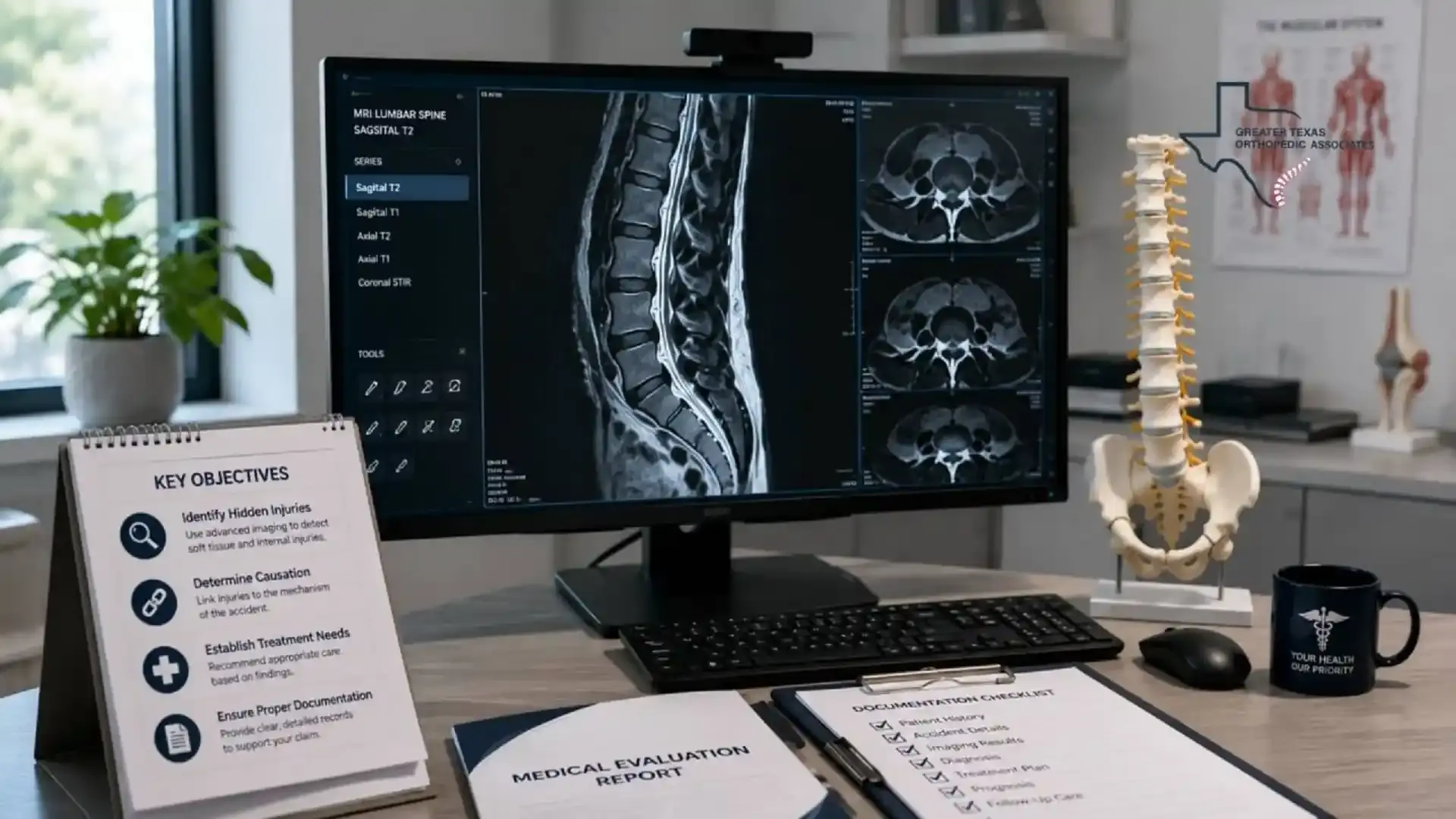
After a normal X-ray, the next step is not always advanced imaging.
The better question is what structure is causing the pain and whether the exam findings match the symptoms. This becomes especially important when symptoms persist, follow-up is delayed, or questions arise about treatment gaps in personal injury cases.
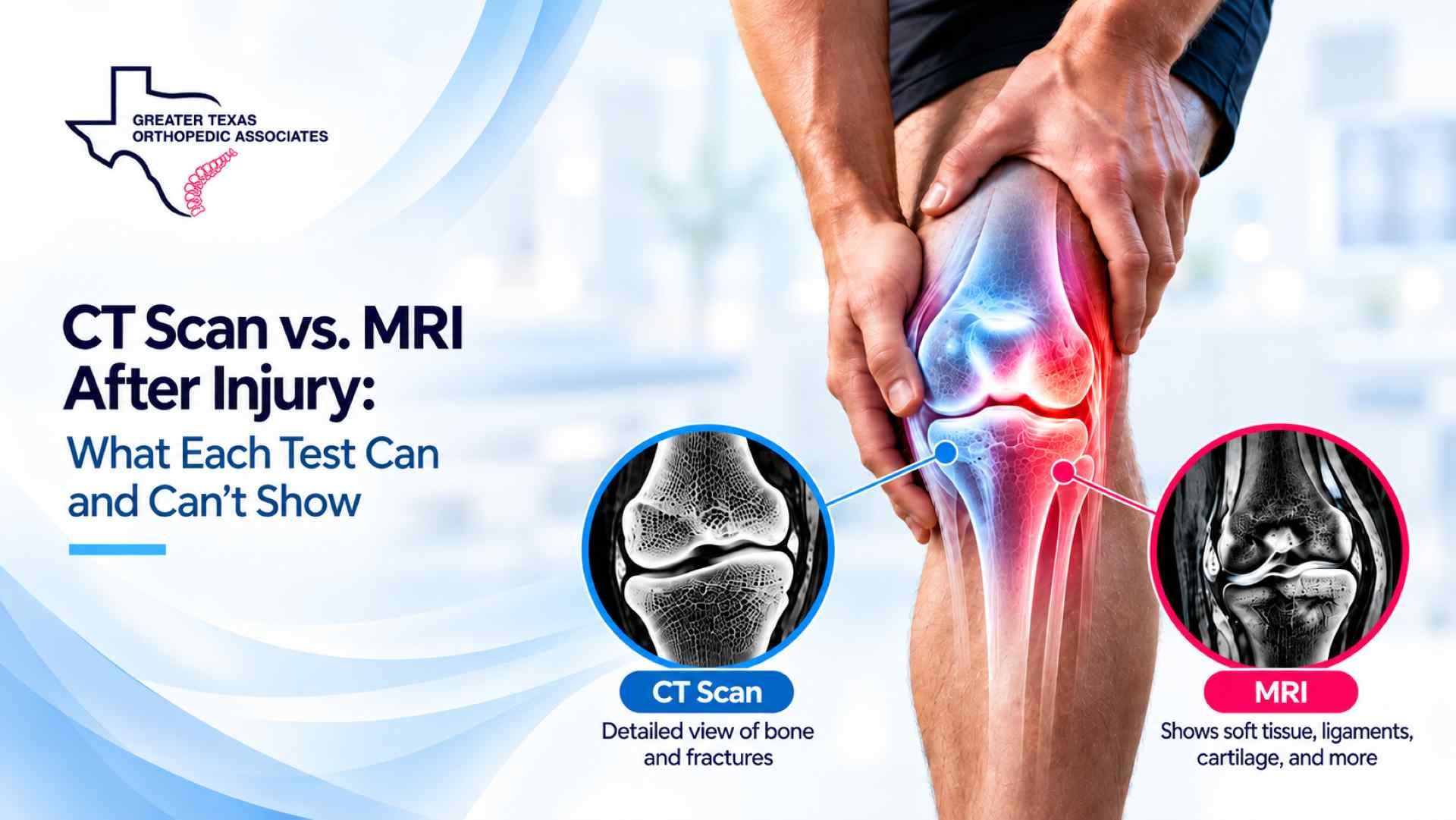
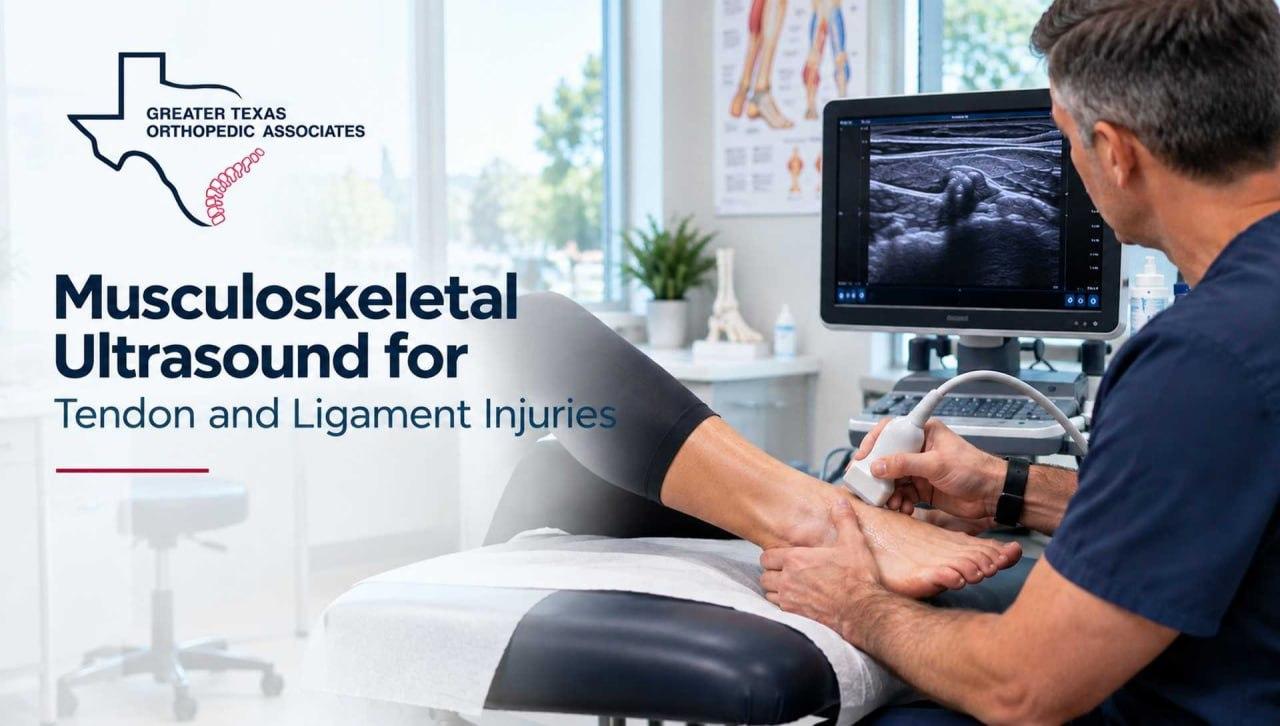
AAOS explains that X-rays, CT scans, and MRI scans help narrow the cause of injury or illness, but they answer different questions. MRI is often better for evaluating hidden injuries after a car accident involving discs, ligaments, tendons, cartilage, and nerve-related structures. CT can help evaluate subtle bone detail. Musculoskeletal ultrasound can show certain muscles, tendons, ligaments, nerves, and joints in real time.
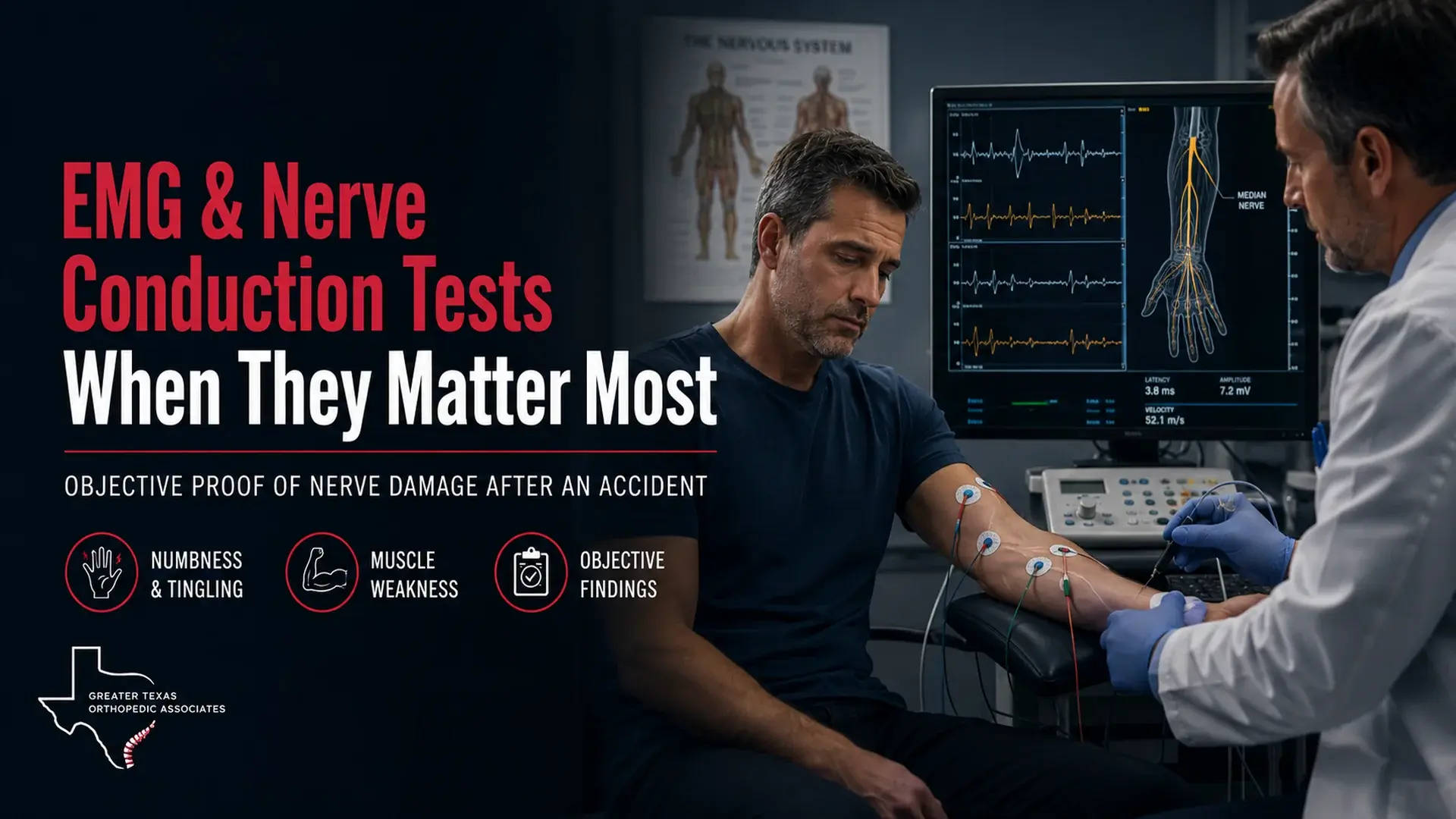
EMG or nerve conduction testing may be considered when numbness, tingling, weakness, or radiating pain continues. Physical examination remains central because range-of-motion loss, guarding, swelling, sensory changes, reflex changes, and positive orthopedic tests can help justify the next diagnostic step.
In many post-accident pain cases with normal X-rays, the key question is whether objective findings support the symptoms and treatment being recommended.
This is where the clinical findings become especially important. Pain matters, but treatment decisions become easier when exam findings, function, and imaging point to the same source.
Objective findings may include range-of-motion loss, weakness, reflex changes, sensory changes, swelling, altered gait, positive orthopedic tests, imaging correlation, and functional limitations.
These findings help identify the pain source and show whether the symptoms make medical sense after the crash. These cases become clearer when the record explains what the clinician found and how the injury affected real function.
When a patient is still in pain despite a normal X-ray after a crash, treatment should match the diagnosis, exam findings, and response to care. The goal is to reduce symptoms, restore function, and prevent a missed injury from becoming chronic.
Treatment may include:
Follow-up notes should explain why treatment was recommended and whether symptoms improved.
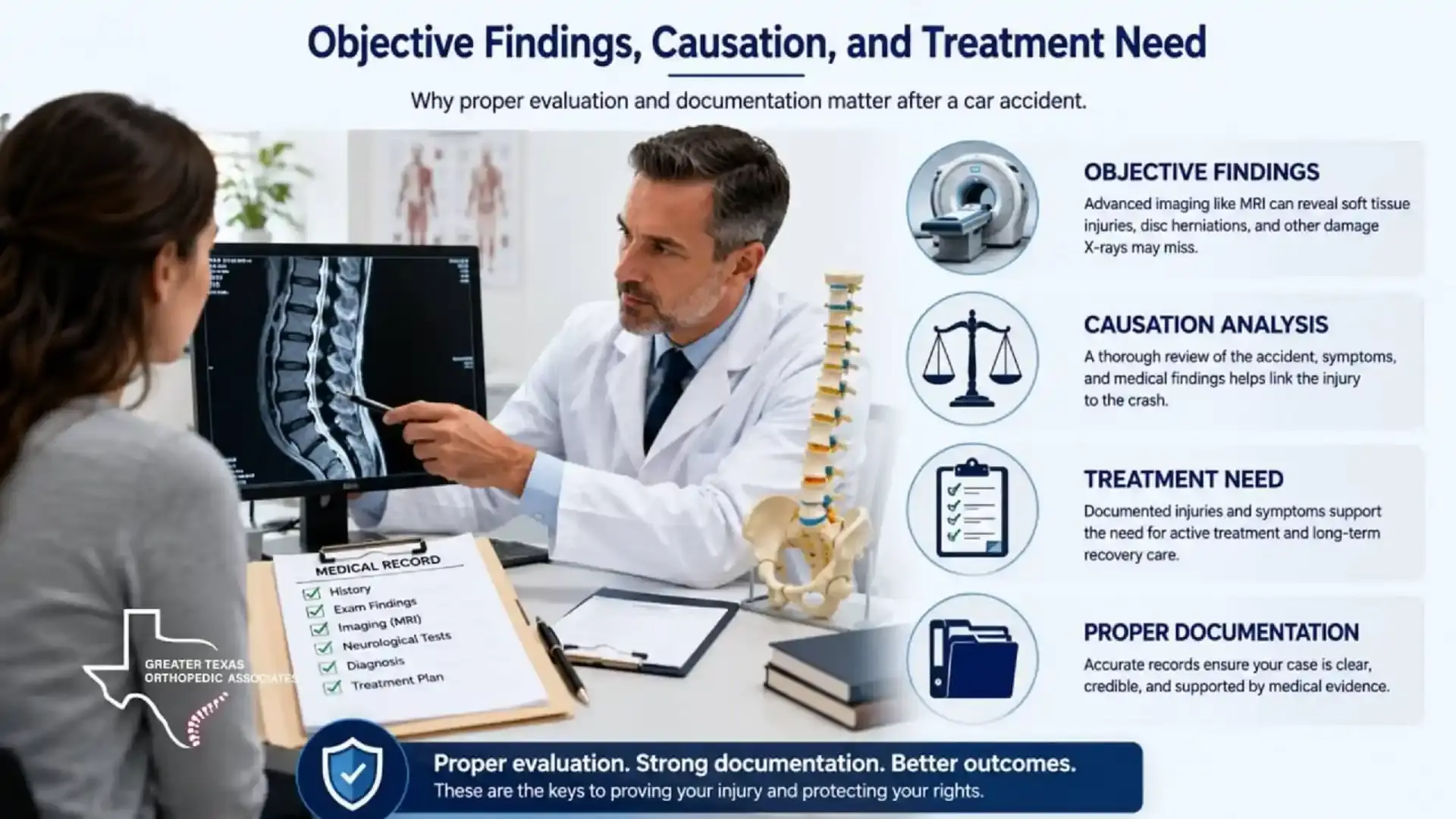
A real injury becomes harder to explain when documentation leaves questions unanswered. An insurance reviewer may say, “There was no fracture, so the injury must not be significant.” That conclusion may ignore soft tissue injury, nerve irritation, disc involvement, joint injury, and functional loss.
Car accident pain no fracture documentation should explain the injury mechanism, symptoms, objective findings, treatment decisions, and functional limitations. It should not overstate certainty. It should make the clinical reasoning clear.
This is also why treatment gaps in personal injury cases need medical context. Delayed follow-up, missed visits, or vague notes do not automatically mean the injury is not real, but they can create questions if the record does not explain what happened and why care was needed.
A patient with a normal X-ray but still in pain after a car accident should consider orthopedic evaluation when symptoms persist, worsen, or interfere with normal activity.
For attorneys and case managers, referral may be appropriate when car accident pain no fracture does not explain ongoing symptoms or functional limitations. GTOA can evaluate the pain source, document objective findings, and assess whether the symptoms and exam findings are medically consistent with the reported crash mechanism. When records are disputed, an orthopedic evaluation for disputed injury claims can help clarify whether the findings fit the reported injury pattern and treatment history.
Talk to Greater Texas Orthopedic Associates
A normal X-ray after a car accident is useful because it can help rule out an obvious fracture or dislocation. Pain after car accident with a normal X-ray may still be related to soft tissue injury, nerve irritation, disc involvement, joint damage, or functional problems that become clearer after the first emergency visit.
Rather than assuming the pain will simply go away, the next step is a focused orthopedic evaluation that connects symptoms, crash details, physical exam findings, treatment response, and daily limitations into a clear medical explanation.
If you are still in pain after a car accident despite a normal X-ray, Greater Texas Orthopedic Associates can evaluate your symptoms, document objective findings, and help determine the next step in care. Schedule an orthopedic evaluation with GTOA for post-accident orthopedic care in Texas.
Comments are reviewed before they appear. For appointments, records, or medical questions, use the contact page.
No comments have been published on this article yet.